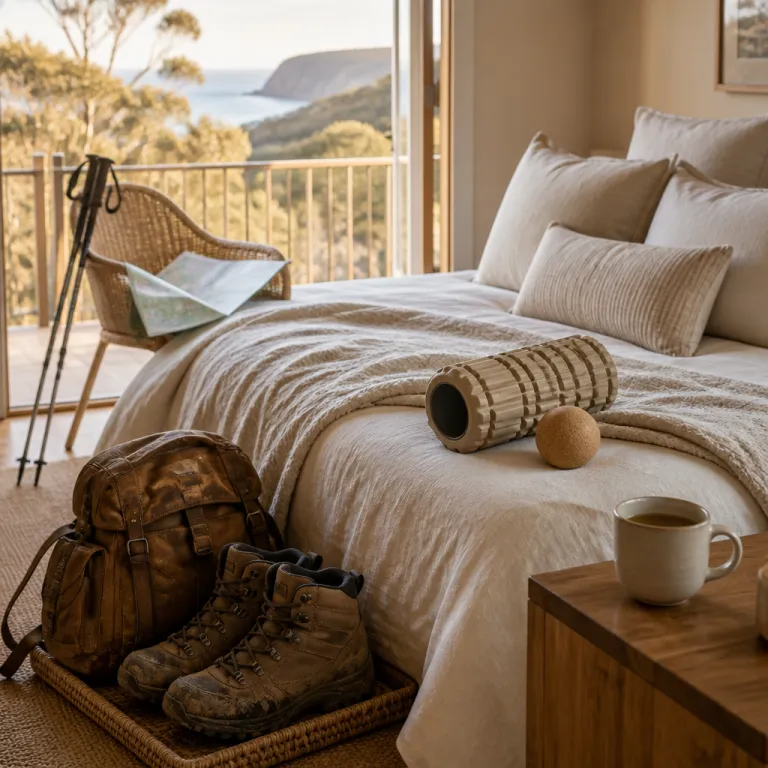
Why hotels near hiking trails in Australia now matter more than the walk
Across Australia, hotels near hiking trails for any multiday walk are quietly reshaping how we travel. Active travellers are planning each day around distance, elevation and track grade rather than restaurant bookings, then returning to rooms that feel more like recovery studios than standard suites. When you choose accommodation with the trail in mind, every walk becomes part of a longer story rather than a single hard push.
Australia now offers more than fifty recognised multiday hikes, and the average distance of these great walks sits close to one hundred kilometres, which means the right hotel can decide whether you finish strong or limp to the final track marker. According to Parks Australia’s Great Walks of Australia collective and state-based agencies such as NSW National Parks and Wildlife Service and Tasmania Parks and Wildlife Service, new long-distance routes are added or upgraded almost every year, reinforcing that figure. National parks from Tasmania to the Top End are seeing a surge in guests who want a proper bed between days on the trail, not just a camp mat and a hurried meal. For travellers searching for hotels near hiking trails in Australia for a multiday walk, the priority has shifted from generic luxury to targeted support for tired legs, wet boots and gear that needs drying before the next day.
Luxury properties are responding with early breakfast sittings, late checkouts and staff trained to read a topographic map almost as well as a wine list. Many now provide printed route notes beside the minibar, with clear information on grade, creek crossings, river levels and realistic duration days for nearby day hikes. The most walker-focused stays also help with public transport links to trailheads, so you can leave the car behind and treat each day walk or longer route as part of a low stress, high comfort itinerary.
Trail adjacent luxury: from Scenic Rim ridgelines to Blue Mountains escarpments
In Queensland’s Scenic Rim, Spicers Peak Lodge has become a benchmark for hotels near hiking trails in Australia for a multiday walk, sitting high above Main Range National Park with ridgelines that roll away like a relief map. Guests step straight from the lodge lawn onto signed track networks, then return to hot stone baths, serious wine lists and staff who understand that muddy boots are a badge of honour, not a housekeeping problem. This is the emerging model of trail adjacent luxury, where the property acts as a base camp for day hikes and longer routes rather than a sealed off resort.
New South Wales offers a different rhythm, with the Blue Mountains combining heritage guesthouses and contemporary stays that cater to walkers tackling the Six Foot Track or a shorter day walk along the cliff tops. Around Katoomba and Blackheath, you will find hotels that schedule breakfast early enough for sunrise starts, provide drying rooms for wet gear and share handwritten notes on track conditions in nearby national parks. For families and groups planning winter day hikes, properties highlighted in our guide to activity led hotels with serious firepit culture double as warm recovery hubs after cold escarpment walks.
South of Sydney, Bells at Killcare on the Central Coast sits near Bouddi National Park and its coastal walk, offering a refined coastal base where a day on the trail ends with local seafood and a deep bath rather than a cramped camp. In the Adelaide Hills, Mount Lofty House Hotel and The Stirling Hotel both serve hikers exploring short but steep tracks near Mount Lofty Summit, with leafy streets and cool climate wine bars replacing the usual trailhead car park scene. Typical nightly rates at these kinds of boutique properties often sit in the mid to upper hundreds of dollars, especially in peak school holiday periods, so booking three to six months ahead for popular long weekends is wise. These stays prove that a great walk does not always require a remote camp, especially when national park access, public transport options and thoughtful service align.
End of trail sanctuaries: Overland Track, Larapinta and Great Ocean Walk
On Tasmania’s Overland Track, the classic multi day route between Cradle Mountain and Lake St Clair has inspired a new generation of lodge based experiences that sit lightly beside the trail. Rather than carrying a full camp, many walkers now move between private huts with proper beds, hot showers and chef prepared meals, then book a premium hotel near Cradle Mountain at the end for one last deep sleep. That final night, with clean clothes and a glass of Tasmanian pinot, often becomes as memorable as any alpine pass or river crossing.
Far to the north, the Larapinta Trail in the Northern Territory has turned Alice Springs into a staging ground for serious hikes, with hotels tailoring services to guests who arrive dusty, sunburnt and hungry after long days on the track. Properties here increasingly offer luggage storage for gear not needed on the trail, flexible check in for guests arriving off late transfers and even massage services aimed at tired calves and backs. When asked, local operators will tell you plainly: “Alice Springs offers various accommodations near the trail,” and most now link directly to official Larapinta Trail information so guests can confirm current conditions.
On Victoria’s Great Ocean Walk, the Twelve Apostles Lodge Walk model blends guided day hikes with lodge comfort, allowing guests to tackle sections of the coastal walk without carrying heavy packs or worrying about navigation skills on exposed headlands. Nearby hotels along the route understand that duration matters more than distance for many guests, so they help plan realistic days that factor in grade, weather and photo stops. Whether you finish your great walk with a clifftop spa or a quiet river view room, the right hotel turns a demanding route into a story of active recovery rather than simple endurance.
What serious hikers need from a luxury hotel that casual guests never notice
For travellers booking hotels near hiking trails in Australia for a multiday walk, the checklist looks different from a standard city break. You still want crisp linen and a strong wine list, but you also need a laundry that runs late, a place to dry boots and staff who understand why you are asking about creek levels rather than cocktail specials. The best properties treat your pack like a valued guest, not an awkward piece of luggage to be hidden away.
Look for hotels that provide early breakfast options, ideally with real protein and complex carbohydrates rather than just pastries, so you can start each day walk or longer route properly fuelled. Flexible dinner times matter too, especially when a national park itinerary runs over its planned duration days because a river crossing took longer or the track grade proved tougher than expected. Some of the smartest operators now offer printed or digital map access, simple route notes and honest advice on whether a planned multi day itinerary suits your current fitness and navigation skills.
Well designed rooms for hikers include hooks for wet jackets, tiled areas for muddy boots and sometimes even small balconies where you can air gear without upsetting other guests. In alpine regions such as the Kosciuszko National Park area, Lake Crackenback Resort & Spa has become a favourite for walkers who want spa access after long day hikes on nearby tracks. Across New South Wales and other states, properties close to national parks are learning that a great north facing drying rack, a quiet corner for stretching and reliable public transport information to and from trailheads can matter more than yet another decorative cushion.
Designing your own great north walk: itineraries, logistics and where to stay
Planning a trip around hotels near hiking trails in Australia for a multiday walk starts with being honest about how far you actually like to travel each day. Think in terms of duration rather than just distance, because a short but steep track with a high grade can feel longer than a gentle river valley route. Once you know your preferred rhythm, you can match national park sections with properties that offer the right balance of comfort, character and logistical support.
In New South Wales, the Great North Walk between Sydney and Newcastle offers a flexible framework for both full multi day journeys and shorter day hikes, with stays ranging from simple motels to refined country hotels along the way. Sections near creeks and rivers can change quickly after rain, so it pays to read recent route notes and speak with hotel staff who walk the tracks themselves on their days off. Many of these properties now curate their own blog post style guides to local hikes, sharing favourite day walk loops, quiet swimming holes and lesser known viewpoints, and often reference official NSW National Parks resources so guests can double check alerts.
Elsewhere, Queensland’s Scenic Rim and New South Wales’ Green Gully and north walk style routes show how national parks can support both great walks and comfortable stays without sacrificing a sense of remoteness. In the tropics, the Thorsborne Trail on Hinchinbrook Island remains largely camp based, yet many hikers still book a night in a coastal hotel before and after the route to sort gear and rest properly. If you prefer shorter escapes, our feature on efficient three day resets explains how to build long weekend itineraries that combine a coastal walk, a mountain track and one indulgent river view room without needing a full week away.
FAQ
What are the best hotels near the Larapinta Trail for hikers ?
Alice Springs functions as the main accommodation hub for the Larapinta Trail, with a range of hotels that understand the needs of multi day walkers. Many properties offer luggage storage, early breakfasts and flexible check in for guests arriving from remote sections of the route. When planning, confirm whether your chosen hotel can help with transfers to and from key trailheads, and cross check details with the official Northern Territory Parks and Wildlife Larapinta Trail information.
Are there comfortable hotels near the Overland Track, or is it all camping ?
The Overland Track combines both hut based and camping options along the route, but many hikers choose to book premium hotels near Cradle Mountain or Lake St Clair before and after their walk. These stays provide hot showers, proper beds and restaurant quality meals that are impossible to replicate in camp. Booking early is essential during peak walking seasons, as capacity near the national park is limited and Tasmania Parks and Wildlife Service strictly controls track numbers.
Can I find luxury accommodation close to coastal walks such as the Great Ocean Walk ?
Yes, the Great Ocean Walk region offers a mix of lodges, guesthouses and hotels that cater to walkers tackling either the full multi day route or selected day hikes. Some operators run lodge based packages where you walk each day and return to the same comfortable bed each night. Independent travellers can also book coastal hotels and use local transfers or public transport to access different trail sections, checking Parks Victoria updates for any temporary closures.
Do hotels near hiking trails in Australia ever provide gear rental or guiding services ?
Some hotels near major national parks partner with local guiding companies and gear rental providers, while others keep a small stock of essentials such as trekking poles or rain jackets. It is rare for a hotel to run full guiding operations in house, but concierge teams often know the most reputable local operators and can point you towards accredited guides listed by state park agencies. Always ask in advance if you need specialised equipment or a guide for more technical routes.
How far in advance should I book hotels for a multiday walk based holiday ?
For popular great walks such as the Overland Track, Great Ocean Walk or key sections of the Great North Walk, booking several months ahead is wise, especially during school holidays. Smaller regions like the Scenic Rim or remote coastal walk areas can also fill quickly when trail conditions are ideal. If your dates are fixed, secure accommodation before finalising your exact route and daily distance targets, then monitor official park alerts in case you need to adjust your itinerary.