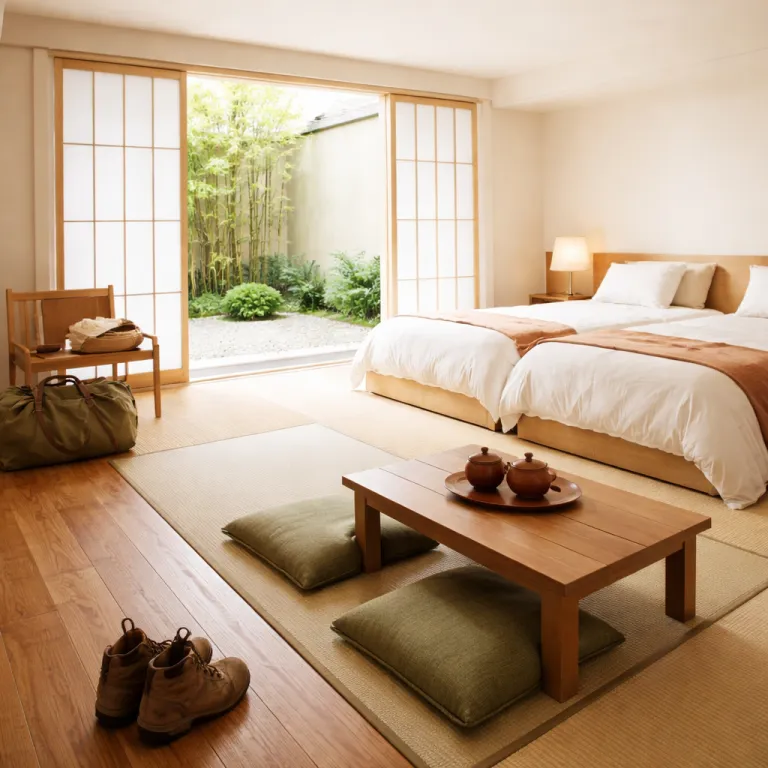
Why Japan works so well for Australian travellers
Why Japan works so well for Australian travellers
Landing in Tokyo from Sydney or Melbourne, the first surprise for many Australians is how manageable the journey feels. The time difference is gentle (one or two hours depending on daylight saving), the jet lag forgiving, and you can usually be in your hotel room, showered and changed, within a couple of hours of clearing the airport. From Haneda Airport, for instance, the Tokyo Monorail and JR Yamanote Line reach central Tokyo in around 20–30 minutes, while the Narita Express takes roughly 55–65 minutes to Tokyo Station, which still feels short compared with long-haul flights to Europe or North America.
For a luxury or premium stay, Japan suits Australians who value order, safety and detail. Streets feel calm, even around Shinjuku Station where more than a million commuters move through each day, and high-end hotels in Tokyo Japan tend to be located within a short walk of major rail hubs. That means you can step out of a five star lobby and be on a Shinkansen platform 10 minutes later, luggage storage handled seamlessly by the concierge and onward tickets already reserved, which is especially appealing if you are planning side trips to Kyoto, Osaka or Hakone.
Expect a different rhythm from a typical Australian resort escape. Rooms in many Tokyo hotels are more compact, but the trade-off is precision service, immaculate public spaces and often a spectacular city view that takes in landmarks such as Tokyo Tower or the Imperial Palace gardens. For Australians who enjoy design, food and urban energy as much as poolside lounging, a Tokyo stay can feel like the natural next step after exploring Sydney or Brisbane, especially when you factor in late-opening restaurants, efficient late-night trains and the sense of security that comes with walking home through well-lit streets.
Choosing your Tokyo base: districts that make sense
Shinjuku at night is neon, crowds and energy. Staying near Shinjuku Station suits Australians who want to explore multiple districts in a short trip, because almost every train line seems to pass through here. High-rise hotels located on the western side of the station, such as the Park Hyatt Tokyo or Hilton Tokyo, often offer sweeping views towards Shinjuku Gyoen National Garden and the distant outline of Mount Fuji on a clear winter morning, with nightly rates for premium rooms typically starting from the mid to high AUD 400s outside peak periods and rising significantly during cherry blossom or New Year.
For a more measured pace, the area around Tokyo Station and the Imperial Palace works better. Here, luxury hotels Tokyo style tend to sit above office towers, with direct access to underground shopping streets and the Shinkansen platforms. Properties such as The Tokyo Station Hotel or Four Seasons Hotel Tokyo at Marunouchi combine classic interiors with quick rail connections, and you can walk from the Marunouchi side of the station to the palace moat in under 10 minutes, then be back in your room before breakfast for a quick change or a second coffee while you plan day trips to places like Nikko or Yokohama.
Travellers who like nightlife and dining might prefer a Tokyo hotel in Roppongi or around the streets leading up to Tokyo Tower. These neighbourhoods offer late-opening restaurants, contemporary art museums and easy taxi access after a long night out. Hotels such as The Ritz-Carlton, Tokyo in Roppongi or The Prince Park Tower Tokyo near Shiba Park place you close to bars and galleries, while if your priority is a calm Tokyo stay with green space, look for properties facing Hibiya Park or the outer gardens of the palace rather than the busiest entertainment zones, which can feel intense after a long-haul flight.
What to expect from luxury and premium hotels in Japan
Australian travellers used to sprawling coastal resorts will notice the verticality first. Many five star hotels in Tokyo occupy the upper floors of mixed-use towers, with reception sometimes located on level 28 or higher. The upside is a dramatic view over Tokyo Japan, especially at night when the city becomes a carpet of light and the red lattice of the tower Tokyo landmark glows in the distance, framed by floor-to-ceiling windows in lobby lounges and cocktail bars that feel a world away from the streets below.
Room categories are worth studying carefully. Entry-level rooms can be compact by Australian standards, but suites and corner rooms often feel generous, with space for a proper work desk, a chaise by the window and a large soaking tub. As a rough guide, premium city hotels might start around 20–25 m² for standard rooms, while suites can exceed 50–60 m² and sometimes include separate living and dining zones. Some properties include complimentary access to a club lounge when you select higher room types, which can be valuable if you like a quiet breakfast, afternoon tea or evening drink away from the main bar and want to offset the cost of dining out every night.
Service style tends to be formal but warm. Staff are usually highly trained, with English widely spoken in major cities, and there is a strong emphasis on anticipating needs rather than waiting for requests. Expect thoughtful additional touches such as pressed sleepwear, refined tea sets, high-quality bathroom amenities and meticulous turndown service rather than flashy gimmicks. For Australians who appreciate understated luxury, this restraint can quickly become a favourite aspect of travel in Japan, especially when combined with reliable housekeeping, punctual room service and clear information about local transport and restaurant reservations.
Onsen, hot springs and resorts beyond Tokyo
Leaving Tokyo for the mountains or coast changes the equation. Instead of towers and skyline views, you enter a world of hot springs, cedar forests and low-rise hotels resorts that open directly onto gardens or rivers. For many Australians, a night or two in an onsen town becomes the most memorable part of the trip, precisely because it feels so different from life back home and introduces rituals such as yukata robes, communal bathing etiquette and multi-course kaiseki dinners served in your room or a private dining space.
Classic hot springs areas such as Hakone, easily reached from Shinjuku in around 85–95 minutes by Odakyu Romancecar limited express train, offer a mix of traditional inns and contemporary resorts. Here, the focus is on bathing rituals, seasonal kaiseki dinners and rooms that open onto private terraces rather than city lights. If you are used to coastal retreats in Queensland or Margaret River, think of this as the Japanese mountain equivalent, with mineral-rich water instead of surf, misty valleys instead of beaches and the option to book rooms with private open-air baths for extra privacy.
Further north, regions like Tohoku and Hokkaido combine powder snow with steaming outdoor baths. A well-chosen resort located near the slopes allows you to ski by day and soak under the stars at night, snow piled on the rocks around the pool. Destinations such as Niseko, Hakuba or Zao Onsen are popular with Australians, and for those who usually default to Europe for winter, this combination of efficient infrastructure, reliable snow conditions and deeply local culture can feel like a revelation, especially when paired with cosy ryokan stays and hearty regional cuisine.
Practical details Australians should check before booking
Room size and layout deserve close attention. Japanese hotels often list precise square metre measurements, and a difference of 5 m² can transform how comfortable a longer stay feels. For example, moving from a 20 m² standard room to a 25 m² superior category can add space for a sofa or larger wardrobe. If you are travelling with family or bulky ski gear, consider properties that offer apartment-style rooms with kitchenettes and generous luggage storage, especially in cities like Tokyo, Osaka and Kyoto where compact layouts are common and corridors can feel narrow when you arrive with multiple suitcases.
Location relative to major stations matters more than proximity to a single attraction. A hotel Tokyo property connected directly to a JR or subway hub will usually make your overall travel smoother than one next to a single museum or park. When comparing Tokyo hotels, look at walking distances in minutes to key stations such as Shinjuku, Shibuya or Tokyo Station rather than just the headline district name, and factor in access to IC cards such as Suica or PASMO, which let you tap on and off trains and buses without buying individual tickets and can also be used at convenience stores and some vending machines.
Policies around taxes and fees can also differ from what you are used to in Australia. Some cities apply a small accommodation tax per person per night, added at check-in rather than at the time of online booking, and service charges of around 10–15 per cent are often included in quoted rates at luxury hotels. Late check-out, access to spa facilities or club lounges may incur additional charges, so it is worth confirming inclusions such as breakfast, use of the pool or complimentary evening drinks before you finalise your reservation, and considering whether a Japan Rail Pass or regional rail pass suits your itinerary if you plan multiple long-distance journeys between cities.
Who Japan suits best – and how to shape your stay
Japan rewards travellers who enjoy structure. If you like clear timetables, spotless trains and hotels that run like well-tuned machines, you will feel at home quickly. Australians who thrive on spontaneity can still enjoy it, but the most satisfying trips usually blend planned elements – a carefully chosen collection of hotels across Tokyo and the regions – with pockets of unstructured wandering through backstreets, local markets and small neighbourhood bars where you can follow your curiosity rather than a strict checklist.
Urban enthusiasts might build a trip around a sequence of city stays, moving from a high-rise property near Shinjuku to a quieter address near the Imperial Palace, then on to Osaka or Nagoya. Each hotel becomes a different lens on Japanese life, from business districts to entertainment quarters. In this scenario, a great location and easy access to the airport or Shinkansen lines matter more than resort-style facilities, and booking windows of three to six months can help secure preferred room types during cherry blossom or autumn foliage seasons, when the best hotels Tokyo offers for international visitors can sell out quickly.
Travellers who crave decompression may prefer to anchor their journey with a longer stay in a resort area, using Tokyo hotels mainly as a gateway. A pattern that works well for many Australians is two or three nights in Tokyo Japan on arrival, followed by several nights in a hot springs region or coastal town, then a final night back in the capital before flying home. The contrast between neon and nature, tower views and mountain mist, gives the trip its shape and makes the return to Australia feel satisfyingly complete, especially when you end with a final onsen soak or a last walk through a lantern-lit side street near your hotel.
FAQ
Is Japan a good destination for Australian travellers seeking luxury hotels?
Japan suits Australian travellers who value refined service, safety and efficient transport as much as design and food. Major cities such as Tokyo offer a dense collection of luxury and premium hotels, many located above train stations or near key landmarks, which makes moving between districts and onward to regional areas straightforward. The combination of high-end urban stays and serene hot springs resorts gives you a level of variety that is hard to match in a single trip from Australia, whether you prefer international brands, boutique properties or Japanese-style ryokan inns with tatami rooms and onsen baths.
Which areas of Tokyo work best as a base for first-time visitors from Australia?
For a first visit, areas around Shinjuku Station and Tokyo Station are usually the most practical for Australians. Shinjuku offers easy access to multiple train and subway lines, lively nightlife and a wide choice of hotels, while the Tokyo Station and Imperial Palace area provides quick connections to the Shinkansen network and a calmer, more businesslike atmosphere. If you prefer dining and museums, districts such as Roppongi or the streets around Tokyo Tower can also work well, but they are slightly less central for day trips to places like Yokohama, Nikko or Hakone and may involve more transfers on the subway.
Can Australians expect English-speaking staff in Japanese hotels?
In major cities and established resort areas, many hotels employ staff who speak English, particularly at reception, concierge desks and in guest relations roles. Communication tends to be clear and polite, with written information often provided in both Japanese and English. In more remote hot springs towns or smaller regional cities, English may be less common, but the overall hospitality culture is strong and staff usually make a genuine effort to assist international guests through gestures, translation apps or simple written notes, so language rarely becomes a barrier to enjoying your stay.
How far in advance should Australians book hotels in Japan?
Booking several months ahead is sensible for peak periods such as cherry blossom season in spring, autumn foliage, New Year and major festivals. Popular hot springs resorts and well-located Tokyo hotels near major stations can fill quickly during these times, especially for weekends. Outside peak dates, you will usually find a good range of options, but planning ahead still gives you more choice of room types, views and locations that match your preferred style of travel, and can help you secure flexible rates that allow changes if your plans shift or flight schedules are adjusted.
Are apartment-style hotels a good option for Australians in Japan?
Apartment-style hotels with kitchen facilities and larger living areas can work particularly well for Australian families, longer stays or travellers who prefer more space. These properties often provide separate sleeping and living zones, practical storage for luggage and the option to prepare simple meals, which can be reassuring if you are travelling with children or planning to work while away. They are most common in major cities such as Tokyo, Osaka and Kyoto, and can offer a comfortable middle ground between traditional hotels and private rentals, especially if you value on-site reception, housekeeping and straightforward access to public transport.
