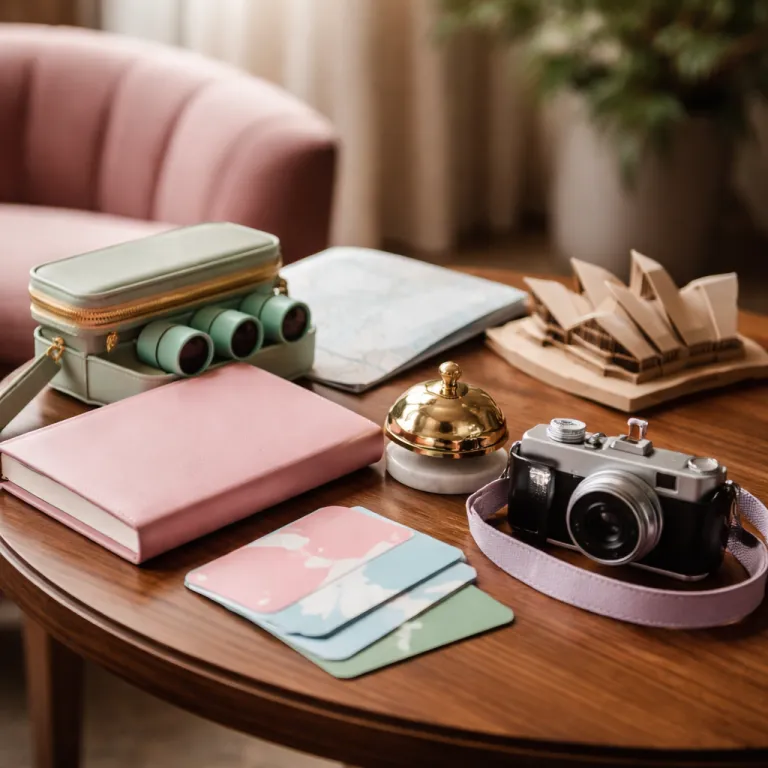
The Rocks and Circular Quay: harbour icons for business and leisure
Harbour-facing luxury hotels in Australia often start with The Rocks. In this historic pocket of Sydney, New South Wales, Park Hyatt Sydney anchors the waterfront with 155 rooms and suites, each framing the Opera House through floor-to-ceiling glass. This harbourside hotel is where many executives quietly turn a midweek meeting into a long weekend, blending boardroom commitments with resort-style downtime.
Staying this close to Circular Quay means you trade space for proximity. You gain instant access to ferries for a quick escape to a harbour island, while fine-dining rooms and discreet hotel bars sit within a few hundred metres. In a city where constrained supply keeps average daily rates high, these waterfront properties justify their pricing with service depth and location. Tourism Research Australia and major hotel groups report that Sydney’s premium harbour inventory regularly achieves some of the highest ADRs in the country, with five-star harbourside hotels often ranging from around A$650 to well above A$1,200 per night in peak periods.
Park Hyatt remains a reference point for luxury hotels in Australia when you want harbour theatre. Rooms feel residential rather than corporate, and the rooftop pool looks straight across to the sails. For a different perspective, nearby high-rise hotels in Sydney such as Shangri-La Sydney stack suites vertically, swapping intimacy for big-sky views over the glass towers and water. Typical taxi times from Sydney Airport to this precinct sit around 25–30 minutes in light traffic, or roughly 35–45 minutes on the train via Circular Quay, which helps when you are landing for a same-day meeting.
For travellers based in Australia, this area works best when time is tight. You can land, check into your chosen hotel on the Sydney harbourfront, and be at a client lunch in the CBD within 10–15 minutes on foot. Evening walks along the foreshore towards Barangaroo turn a work trip into something closer to a city resort stay, especially in summer when the light holds late and outdoor terraces stay busy with after-work crowds.
Hyatt loyalists often split stays between Park Hyatt Sydney and Hyatt Hotel Canberra. That combination lets you compare harbourfront luxury with the Art Deco calm of the capital, both under the same brand umbrella. Among high-end hotels across Australia, this pairing offers a clear sense of how one chain interprets place differently in each city, from sandstone lanes in The Rocks to the formal geometry of Canberra’s parliamentary avenues and lakeside promenades.
When you plan, think carefully about room type. A standard room will still feel premium, but a corner suite at Park Hyatt or a club-level room at a neighbouring five-star hotel can change how you use the city. For many Australian travellers, that upgrade is the difference between a bed for the night and a private base for entertaining, with balconies, dining tables and enough space to host a small client meeting without leaving the property or sacrificing privacy.
Eastern beaches: Coogee’s new wave and coastal luxury
On the eastern beaches, the conversation about luxury hotels in Australia is shifting. Crowne Plaza Sydney Coogee Beach has long anchored the suburb, and recent refurbishments have brought a more polished, full-service feel to an area that once leaned casual, giving business travellers a serious alternative to staying in the CBD. You wake to ocean air instead of traffic, yet you remain close enough to reach meetings in town in around 25–35 minutes by car, or roughly 40–45 minutes by bus and train, depending on peak-hour conditions.
Choosing Coogee over The Rocks is about rhythm. Here, suites and rooms open to long views of the Pacific, and the day naturally bends around the coastal walk rather than the boardroom. For many Australians, this balance between work and water feels more sustainable than another anonymous city block, especially if you like to start the morning with a swim at Coogee Beach or a jog towards Clovelly before logging on.
Compared with other hotels and resorts in Sydney, Coogee’s main beachfront property feels almost like a small-scale resort. You have pools, terraces and a more relaxed lobby scene, but the service standards still match what you expect from top-tier accommodation across Australia. It is a smart choice if you are extending a conference stay into a weekend by the sea, with typical nightly rates sitting below the very top harbourfront brackets but above most suburban options, often in the A$350–A$600 range depending on season and room category.
Nightlife here is softer than in the CBD or Surry Hills. That suits travellers who prefer a fine glass of wine on a balcony to a late bar crawl, especially after a long flight from Western Australia or Queensland. When you want more energy, a quick rideshare brings you back into the city grid, with most trips to the inner city taking under half an hour outside the heaviest peaks and dropping you close to major dining precincts.
For those comparing coastal stays, Coogee sits in an interesting middle ground. It is less glitzy than the Gold Coast, yet more polished than many smaller beach towns in New South Wales. If you are weighing up where to stay on the Gold Coast, from beachfront surf clubs to new openings, it is worth reading a detailed guide such as this Gold Coast hotel selection before deciding whether Sydney’s east or Queensland’s glitter strip suits your next trip and preferred pace.
Business travellers often pair a few nights in Coogee with time in Brisbane or Melbourne, Victoria. That pattern reflects a broader trend in premium Australian travel, where guests seek variety within a single itinerary. A week might include a harbourfront hotel, a coastal resort and a stay at one of the country’s luxury lodges, with domestic flights of 1–2 hours linking each stop and allowing you to sample different climates and landscapes.
CBD, Surry Hills and inner city style: design led stays for the weeknight executive
Within the Sydney CBD, many upscale hotels lean towards polished efficiency. You will find international names delivering familiar service patterns, which suits travellers who value predictability between Perth, Brisbane and Sydney. Yet just beyond the grid, Surry Hills and neighbouring precincts offer something more textured and design-driven, with boutique hotels that feel closely tied to their streets.
Design-focused hotels in this inner ring favour warm materials, local art and smaller footprints. They appeal to travellers who want their hotel to echo the neighbourhood’s energy, rather than shut it out. For an executive extending a work trip, this can be the difference between another anonymous lobby and a base that feels like part of the city’s creative life, with cafes, wine bars and galleries within a five-minute walk and light rail or train connections close by.
In this part of Sydney, room categories often blur the line between standard and suite. You might have a compact footprint but gain a generous lounge area, or a private terrace that opens to leafy streets. These details matter when you are taking calls at odd hours or hosting a colleague for a quiet drink, and they can justify paying a little more than a basic corporate room, especially when nightly rates in this segment often sit between A$280 and A$550.
Travellers who split their time between Melbourne and Sydney often comment on the contrast. Where Carlton and the broader Melbourne, Victoria scene lean into laneway culture and European references, Sydney’s inner-city hotels feel more coastal and vertical. Both cities, however, show how luxury accommodation across Australia is moving beyond generic corporate styling towards properties that reflect their postcodes and local creative scenes.
For those who travel with pets, the rise of premium pet-friendly hotels across Australia has changed planning. You can now find high-end properties in Sydney, Melbourne and Brisbane that welcome animals without compromising on service. A curated overview such as this guide to pet friendly luxury escapes helps identify which hotel or lodge will suit your needs, from inner-city boutiques with dog beds to rural retreats with open space.
Conference demand is also reshaping the map. New spaces at properties like Travelodge Hurstville show how meetings are moving beyond the CBD, while still feeding guests back into the city’s network of hotels and resorts. For the frequent flyer, this means more choice in where to base yourself, and more chances to align your hotel with the neighbourhood you actually want to explore, rather than defaulting to the central grid every time.
Barangaroo and Darling Harbour: the new waterfront corridor
West of the traditional CBD, Barangaroo and Darling Harbour have become a new stage for luxury hotels in Australia. This corridor blends office towers, dining precincts and waterfront promenades, giving business travellers a walkable triangle between meetings, meals and sleep. It feels purpose-built for the executive who wants to close a laptop and be at a harbourside bar within minutes without needing a taxi.
Here, larger hotels and resorts tend to dominate, with extensive conferencing floors and multiple restaurants. They compete less on intimacy and more on amenity, which suits corporate groups and incentive trips. For solo travellers, the upside is a wide choice of dining without needing to leave the property after a long day, plus easy access to light rail and ferry services that link back to Circular Quay, Pyrmont and the inner west.
Barangaroo’s hotels sit slightly apart from the tourist crush of Circular Quay. That separation creates a more local rhythm, especially midweek when office workers spill onto the foreshore. For many Australians, this area now feels like the natural base for a quick Sydney stopover, with walking paths linking back to the CBD in under ten minutes and cycleways connecting to the Anzac Bridge and beyond.
Darling Harbour, by contrast, still carries a more leisure-focused energy. Families, conference delegates and cruise passengers all pass through, feeding demand for properties that can handle high volumes. Within that mix, you will still find pockets of quiet luxury, particularly in upper-floor suites with private balconies and club lounges that sit above the crowds and frame the water.
Across both precincts, the key decision is how much you value direct harbour views. Rooms that face the water command a premium, but the experience of watching ferries and evening light from your own Sydney hotel balcony can justify the rate. In a market where supply remains tight, these view categories often sell out first, especially during school holidays, Vivid Sydney and major sporting events.
For travellers planning multi-city itineraries across Australia, this corridor pairs well with waterfront stays in other states. You might match a Barangaroo hotel with a riverfront property in Brisbane, or with a coastal resort on the Gold Coast. The thread that links them is a preference for water, walkability and a sense of being plugged into the city’s current rather than staying on the fringe or in an isolated business park.
Beyond Sydney: Melbourne, Canberra and the capital city circuit
Looking beyond Sydney, the capital city circuit defines many trips through luxury hotels in Australia. Melbourne, Canberra, Brisbane and Perth each offer distinct takes on urban luxury, shaped by their own geography and culture. For an Australian traveller, the question is less which city is best and more which combination suits your work and leisure plans over a quarter or a year.
In Melbourne, Victoria, The Ritz-Carlton, Melbourne rises above the city as a sky-high sanctuary. Its rooms and suites frame long views over the Yarra and out towards Port Phillip Bay and the western suburbs, while interiors lean into a darker, moodier palette than many Sydney properties. This is where you stay when you want your hotel to feel like a private club in the clouds, with direct access to Southern Cross Station for airport transfers on the SkyBus and regional rail.
The broader Carlton, Melbourne area, along with the CBD and Southbank, hosts a strong collection of high-end hotels. Names like Crown and Hyatt sit alongside independent properties, giving you a spectrum from casino energy to quiet riverside calm. Crown Towers in particular has become shorthand for high-impact stays, with large suites, extensive dining and a reputation for some of the city’s highest nightly rates, often exceeding A$800 for premium room types during peak weekends.
Canberra brings a different rhythm. Hyatt Hotel Canberra, often referred to simply as Hyatt Hotel in the capital, offers an Art Deco setting that feels both grand and human-scaled. It anchors the city’s luxury hotel scene, proving that hotel Canberra stays can be as considered as those in larger capitals, with Parliament House and the lakefront only a short drive away and room rates typically sitting below Sydney and Melbourne’s top tiers.
Across these cities, brand loyalty plays a role. Guests who favour Hyatt, Ritz-Carlton or Crown often build itineraries around their preferred collection, moving between properties in Melbourne, Sydney and Brisbane. This pattern reinforces how luxury hotels in Australia operate as part of a national network rather than isolated city experiences, with loyalty benefits and familiar service standards smoothing each transition and encouraging repeat stays.
For frequent travellers, the most effective strategy is to map hotels against your actual movements. If your meetings cluster around Parliament House, Hyatt Hotel Canberra makes sense; if your Melbourne schedule leans towards Docklands and the courts, The Ritz-Carlton, Melbourne or nearby properties will save you time. Over a year of travel, those small location decisions add up to a calmer, more efficient routine and fewer rushed commutes between airport, hotel and office.
Islands, lodges and reef retreats: when business trips turn into escapes
Some of the most memorable luxury hotels in Australia sit far from any CBD. Islands, reef fringes and remote valleys host properties that turn a standard trip into something closer to a retreat. For Australian travellers, these stays often bookend a work itinerary, providing a decompression zone before or after meetings and long-haul flights.
In Queensland, names like Lizard Island and Hamilton Island signal a shift from boardrooms to beaches. These islands host hotels and resorts that balance reef access with polished service, giving you the option to snorkel the Great Barrier Reef in the morning and answer emails from a shaded terrace in the afternoon. Guides often refer to both the Great Barrier Reef and the broader reef region when describing these experiences, with seaplane or boat transfers adding to the sense of escape and remoteness.
Further south, Saffire Freycinet in Tasmania and Capella Lodge on Lord Howe Island represent the new guard of luxury lodges. They focus on local produce, landscape immersion and a sense of privacy that city hotels cannot match. For many, these properties define what luxury stays in Australia can be when freed from urban constraints, with nightly rates and minimum stays reflecting their remote logistics and limited capacity.
Remote stays also include rainforest options. Bloomfield Lodge in Far North Queensland offers a rare combination of reef and rainforest, with guided walks and river cruises woven into daily life. Tourism summaries often note that Bloomfield Lodge provides rainforest experiences, highlighting its role as a benchmark for nature-based luxury and conservation-focused hospitality.
On the mainland, properties such as El Questro Homestead in Western Australia and other luxury lodges across the country bring homestead-style hospitality into the conversation. These are places where the owner might pour you a glass of wine grown on the property, and where the night sky becomes part of the amenity. They sit alongside more traditional resorts, expanding the definition of what a hotel stay can include, from station tours and gorge hikes to helicopter flights over remote ranges.
When planning, remember that some of these destinations have limited capacity. Industry commentary frequently notes that Capella Lodge on Lord Howe Island is highly exclusive, with a small number of suites and strict visitor caps on the island. For deeper research into reef-side stays and refined coastal properties, resources like this guide to Great Barrier Reef hotels help compare options across islands, lodges and hotels resorts. Booking windows of three to six months are common for peak periods, with school holidays and long weekends filling first.
Key statistics on luxury hotels and premium stays in Australia
- Park Hyatt Sydney offers 155 rooms in The Rocks, giving it a relatively intimate scale compared with many city hotels, while still delivering full-service luxury on the harbour (source: IBTimes profile of Park Hyatt Sydney, citing 155 keys and positioning it as a flagship harbourside property).
- Tourism and hotel industry reports highlight a small group of flagship luxury hotels across Australia, including Capella Lodge, Hyatt Hotel Canberra, The Ritz-Carlton, Melbourne, a leading Gold Coast resort and Bloomfield Lodge, illustrating the geographic spread from Lord Howe Island to Far North Queensland and the eastern capitals.
- Industry analysis notes that the Sydney market is defined by constrained supply and rising average daily rates, which helps explain why harbourfront hotels and resorts around Circular Quay and Barangaroo command consistent premiums (source: Tourism Research Australia and major hotel group earnings reports, which show Sydney at or near the top of national ADR rankings).
- New conferencing spaces at Travelodge Hurstville reflect growing demand for meeting facilities outside the traditional CBD core, signalling that business-driven hotel stays are spreading into suburban hubs (source: TFE Hotels development announcements and project updates on new-build properties).
- Recent trends show increased demand for luxury stays and an emphasis on unique experiences and sustainable practices, aligning with the rise of luxury lodges and remote island properties in Queensland, Western Australia and New South Wales (source: state tourism body research and premium tour operator booking data).
FAQ about luxury hotels and premium stays in Australia
What is considered the most exclusive luxury hotel in Australia ?
Among luxury hotels in Australia, Capella Lodge on Lord Howe Island is frequently cited as one of the most exclusive, with limited rooms, remote access and a strong focus on landscape-driven experiences that justify its premium pricing and advance booking patterns.
Which luxury hotel in Australia offers a rainforest experience ?
Bloomfield Lodge in Far North Queensland is a leading choice for travellers seeking rainforest immersion, as it combines lodge-style accommodation with guided walks, river excursions and access to both forest and reef environments in a single stay.
Are there genuine luxury hotels in Australia’s capital city Canberra ?
Yes, Hyatt Hotel Canberra is a well-established luxury property in the national capital, offering Art Deco architecture, landscaped grounds and full-service facilities that match the standards of major city hotels in Sydney and Melbourne while reflecting Canberra’s quieter pace.
How far in advance should I book luxury lodges and island resorts ?
For highly exclusive properties such as Capella Lodge, Lizard Island or remote luxury lodges in Western Australia and Queensland, it is wise to book several months ahead, especially for peak holiday periods and school breaks when domestic demand is strongest and minimum-stay rules often apply.
How should I choose between a city hotel and an island or lodge stay ?
If your primary focus is business, a centrally located hotel in Sydney, Melbourne or Brisbane will minimise travel time, while adding an island resort or lodge at the start or end of the trip can provide recovery and a stronger sense of place, particularly if you value nature, wellness and slower days between meetings.