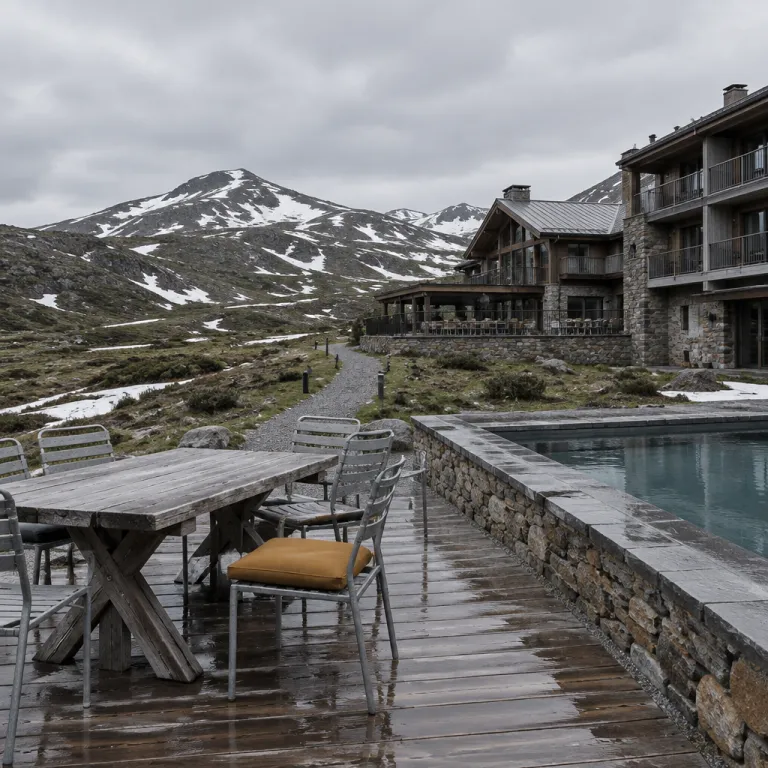
Alpine hotels in Australia after the snow: why spring matters
When the lifts stop turning, alpine hotels in Australia quietly exhale. The same properties that sell out during the major ski weeks shift into a slower rhythm, and many Australian ski hotels in spring suddenly feel made for families who prefer wildflowers to queues. For an Australian traveller, this is when a familiar ski resort becomes a very different kind of mountain retreat.
Across the Australian Alps, from the Snowy Mountains in New South Wales to the high country of Victoria, the landscape softens as the last snow pockets retreat from the upper slopes. What was a dense grid of ski runs and snow fences becomes a network of hiking paths, fire trails and mountain bike routes that suit children as well as serious walkers. The same Australian ski infrastructure that once funnelled crowds to chairlifts now guides you towards waterfalls, lookouts and quiet alpine meadows.
Families who usually plan a ski trip around school holidays often find that alpine accommodation in Australia during spring offers more space, better value and calmer service. Without the pressure of skiing Australia from first lift to last, you can actually enjoy the lodge terrace, the day spa or the library instead of just collapsing there. For premium travellers used to American and European style winter crowds in large ski resorts, the contrast in the Australian mountains during shoulder season feels almost private.
In this quieter window, resort Australia operators start to lean into their non-snow assets. Many Australian resorts now program guided walks in nearby national parks, wine tastings with cool-climate producers and kids’ nature clubs that replace ski school. Tourism Australia’s “Australian Alps” trip ideas highlight spring and early summer as core parts of the alpine calendar, and Parks Victoria’s seasonal “What’s On” updates regularly flag wildflower walks and family-friendly trails. The result is that alpine hotels in Australia after winter are no longer just a compromise for non-skiers, but a deliberate choice for families who want mountain air without the logistics of a full ski resort schedule.
Thredbo and Perisher: from ski slopes to high country playgrounds
Thredbo has long been marketed as Australia’s premier ski destination, with the country’s longest vertical drop and some of the most varied ski slopes. Once the snow thins, that same mountain profile becomes a superb hiking and mountain biking arena, and alpine hotels in Thredbo during spring feel more like European valley lodges than crowded Australian ski bases. For families driving from Sydney or Canberra, the round trip suddenly feels lighter when you are not racing a storm front or a lift opening time.
In Thredbo village, premium resorts and each family-friendly lodge stay open well beyond the last official ski day. Properties such as the Thredbo Alpine Hotel and the River Inn typically trade into late October, with shoulder-season packages that might bundle breakfast and lift-accessed hiking. The Kosciuszko National Park trails above the resort turn into a network of graded walks, from pram-friendly riverside paths to full-day summit routes that echo classic European and North American alpine hikes. Local operators who once focused on ski trip logistics now offer guided wildflower walks, fly-fishing lessons and e-bike tours that suit multi-generational groups.
Perisher and nearby Charlotte Pass, usually defined by deep snow and broad ski slopes, undergo an even more dramatic shift. When the lifts are still, the largest ski fields in the country become quiet bowls of grass and granite, and spring hotels around Perisher feel almost like private mountain stations. Families who know these areas only as major ski hubs are often surprised by how gentle the terrain feels without skis strapped on, and how easy it is to explore short walks from Smiggin Holes or Guthega with younger children.
For Australian travellers comparing alpine stays with famous Vail Resorts properties in the United States, the appeal here is intimacy rather than scale. You trade the largest ski circus energy for the ability to walk from your resort door straight into a national park landscape with barely another person in sight. If you are planning where to stay near Australia’s national parks and want hotels at the edge of the wild, this region deserves a place on your shortlist, and it shows how Australian alpine hotels in spring can rival more distant mountain destinations while keeping travel time manageable.
Victoria’s high country: Falls Creek, Hotham and the art of the quiet season
Across the border in Victoria, the alpine hotels in Australia spring story plays out differently again. Falls Creek, which in winter feels like a compact European-style ski village, softens into a lakeside mountain town where kids ride bikes along the shoreline while parents linger over long lunches. The same resorts that once managed intense ski-in, ski-out traffic now focus on slow mornings, spa appointments and guided walks into the Alpine National Park.
Falls Creek’s network of ski slopes becomes a web of walking and cycling routes, with chairlifts sometimes running for hikers and mountain bikers instead of skiers. According to Tourism North East’s seasonal “Ride High Country” information, many trails are graded specifically for family use once the snow melts. Families who might have worried about steep ski runs find that the summer and spring trails are far more forgiving, and alpine hotels at Falls Creek are well placed to support that gentler pace. Many a lodge now offers gear storage for bikes instead of skis, picnic hampers instead of on-piste lunches and kids’ activity packs that focus on wildlife rather than racing gates.
Hotham Alpine Resort, set high on a ridge rather than in a valley, offers a different perspective again. In winter it is a serious ski resort with challenging terrain that attracts confident skiers from across Australia and sometimes from European and North American markets. Once the snow recedes, the same dramatic mountains open up to four-wheel-drive tracks, trail runs and long, quiet walks that suit older children and teens who want more than a simple playground. Nearby Dinner Plain, with its lower elevation and village feel, often becomes the base for families who like easy walking and dog-friendly stays.
For Australian families used to comparing alpine options with American or European ski holidays, the value proposition here is strong. You avoid long-haul flights, jet lag and the cost of international ski resorts, yet you still access crisp mountain air, serious landscapes and polished hospitality. If you are curious about remote hideaways for Australian travellers with a luxury twist, the high country lodges here show how alpine hotels in Australia during spring can feel both adventurous and deeply comfortable, especially when paired with regional food and wine from nearby valleys such as Bright and Myrtleford.
Rates, amenities and why spring suits premium Australian families
One of the least discussed advantages of alpine hotels in Australia after the ski season is pricing. During peak winter weeks, an Australian ski resort can command rates that rival well-known properties in Europe or the United States, especially in the most popular Australian resorts. Once the snow clears from the mountains, those same rooms often drop significantly in price while the service level remains high.
For a premium family planning a ski trip budget, this shift can be decisive. Instead of squeezing into a smaller room during the largest ski weeks, you might secure a spacious suite or interconnecting rooms in spring for a similar total spend. Tourism Australia case studies on domestic alpine travel suggest that shoulder-season packages can be around 20–30 per cent lower than peak winter rates. Many resorts quietly introduce value-added offers at this time, bundling breakfast, guided walks or spa credits to encourage guests who are curious about Australian alpine hotels in spring but not yet loyal converts.
There is also a clear shift in how properties invest between seasons. Lodges that once focused almost entirely on ski infrastructure now channel funds into day spas, indoor pools, kids’ clubs and serious dining programs that stand on their own. In some Australian resorts, chefs use the calmer months to refine menus built around local produce, echoing the kind of regional focus you might expect in an Austrian mountain inn rather than a busy Australian ski cafeteria. Parks Victoria’s seasonal food and wine trails information often highlights how alpine kitchens are working with nearby growers and cool-climate wineries.
For travellers who care about thoughtful luxury, this matters more than a new chairlift. You might choose a property because its wellness facilities and restaurant feel as considered as its access to ski slopes, and because the staff have time to share local stories rather than just manage queues. If you are interested in how Australian urban hotels are reimagining luxury for domestic travellers, the way alpine resorts in spring are upgrading their non-ski amenities mirrors the shift seen in an urban retreat reimagined in West Perth, and it signals a broader evolution in resort Australia hospitality.
Remote hideaways and planning your alpine round trip
Not every family wants to stay in the heart of a major ski village once winter ends. Some of the most rewarding alpine hotels in Australia during spring sit slightly off the main slopes, in pockets of the Snowy Mountains or Victorian high country where the night sky feels closer and the only evening noise is wind in the snow gums. These remote hideaways often began life as simple ski lodges and have gradually evolved into polished retreats with serious food and attentive service.
For an Australian traveller, the appeal of these smaller properties is twofold. You still access the infrastructure of nearby ski resorts for mountain biking, chairlift rides and trailheads, yet you return each afternoon to a quieter base where your children can roam safely and the staff know your name. In many cases, the drive from the nearest Australian ski hub to these lodges is less than thirty minutes, but the psychological distance from the crowds feels far greater.
Planning a round trip through the Australian Alps in spring can be surprisingly straightforward. One option is to start in the Snowy Mountains around Thredbo and Perisher, then cross into Victoria for a few nights near Falls Creek or Hotham, linking alpine hotels and lodges into a single family journey. This kind of itinerary gives you a sense of how different each mountain region feels, from the broad bowls of the Snowy Mountains to the sharper ridgelines of Victoria, and it mirrors the multi-stop road trips promoted by Tourism Australia for domestic travellers.
If you are drawn to the idea of remote luxury but want to balance it with practical access for children, it helps to think in terms of stages rather than a single base. Combine a couple of nights in a full-service resort Australia property with time in a more secluded lodge, much as you might mix city hotels with wilderness stays on other domestic trips. For more ideas on how Australians are weaving remote hideaways into their travels, including alpine hotels in Australia after winter, look at how luxury twists are being added to backpacking-style journeys in Tasmania, then apply that same mindset to the mountains.
FAQ
Are alpine hotels in Australia open after the ski season ends ?
Many alpine hotels in Australia remain open well beyond the formal ski season, especially in Thredbo, Perisher, Falls Creek and Hotham. Operations shift from snow-focused services to hiking, biking and wellness-oriented stays. It is always worth checking individual resort dates, but spring operations are now a deliberate part of many properties’ business models.
Is spring a good time for families to visit the Australian Alps ?
Spring suits families who want mountain air without the intensity of peak skiing Australia crowds. Trails are generally more accessible, driving conditions are easier and rates at many resorts are lower than in winter. For parents juggling school schedules and budgets, alpine hotels in Australia during spring often provide better value and a calmer atmosphere.
What activities replace skiing in Australia’s alpine resorts during spring ?
Once the snow melts, ski slopes turn into hiking and mountain biking trails, and chairlifts sometimes operate for sightseeing rather than skiing. Families can join guided walks in nearby national parks, try fishing, road cycling or simply enjoy spa and wellness facilities. This mix of soft adventure and relaxation is central to the appeal of Australian alpine resorts in spring.
How do spring prices compare with winter peak rates in alpine resorts ?
Room rates in many Australian ski resorts drop noticeably once the major ski weeks finish, especially for larger rooms and suites. Properties often add value through inclusive breakfasts, activity credits or late check-out offers. For premium travellers, this means alpine hotels in Australia after the ski season can deliver a higher level of comfort for a similar or lower overall spend.
Do I need special gear for a spring trip to the Australian mountains ?
You will not need full ski equipment, but layered clothing, waterproof jackets and sturdy walking shoes are essential. Temperatures can still be cool at altitude, especially in the early morning and evening. Many alpine hotels in Australia during spring can arrange or recommend gear hire for bikes, child carriers and other non-ski activities.
Sources
ytravelblog.com ; Tourism Australia ; Parks Victoria