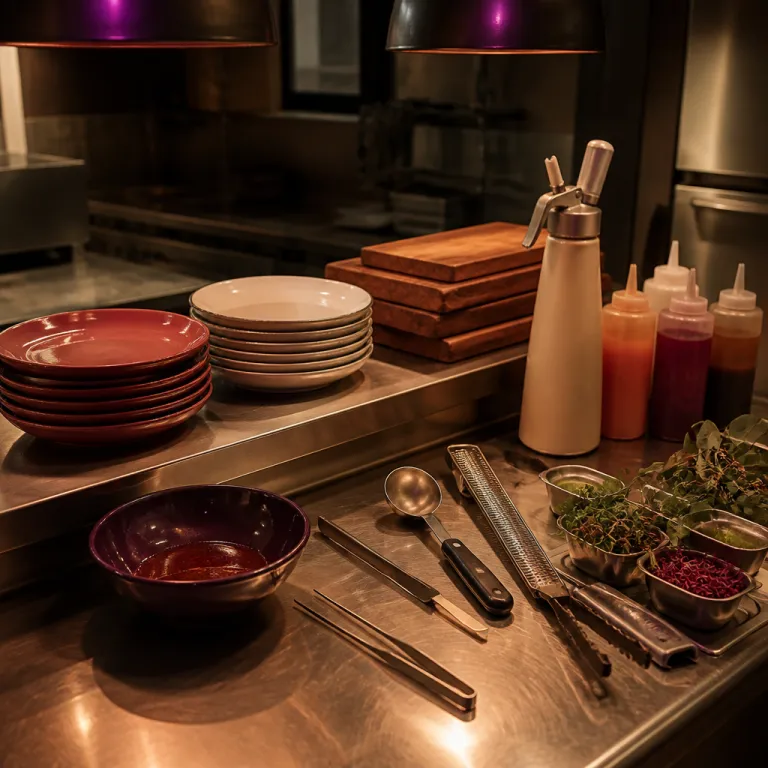
When hotel restaurants become the booking reason, not the afterthought
Across Australia, a quiet shift is changing how families choose hotels. Increasingly, the decision to check in starts with a table reservation rather than a room type or a spa package. This is where the idea of hotel restaurants Australia locals dining destination stops being a marketing line and becomes the real filter for your next stay.
Research from OpenTable and KAYAK shows why this matters for Australian travelers. Their data found that “Australians who would rebook a hotel for its dining experience” sit at 72 %, while “Australians who believe hotel restaurants have improved recently” reach 69 %, and “Hotel restaurant dining by local diners” stands at 63 %. Those numbers confirm what you already sense when you see Friday night fully booked with local families who never plan to sleep upstairs.
For a premium family planning food travel within Australia, this changes the playbook. Instead of asking whether nearby restaurants Australia wide are any good, you start by asking which hotels have become genuine culinary magnets for locals. The most interesting luxury hotels now treat their restaurant as a top tier standalone venue, with an award winning chef, a serious wine list and high quality service that can carry a full dining room of regulars.
What makes locals claim a hotel dining room as their own
Locals rarely embrace a hotel restaurant unless it feels like their place first. The most successful hotel restaurants Australia wide usually have a separate street entrance, a distinct name and a design language that reads as neighbourhood rather than lobby. Families from the south side of a city will cross town for food only when the experience feels independent of the hotel front desk.
The James at The Langham Sydney is a sharp example of this shift. British leaning food with French technique, a polished yet relaxed dining room and a confident wine list have turned it into a restaurant that many Sydneysiders book without realising it sits inside a luxury hotel. For a family based in Australia, that kind of local endorsement is often more persuasive than any online reviews or glossy brochure copy.
In South Australia, the stakes are rising again as the Michelin Guide focuses on the state’s dining scene. If you are tracking how this affects hotel restaurants Australia locals dining destination choices, it is worth reading about what the Michelin Guide means for hotel travellers in South Australia. Expect more hotel dining rooms in Adelaide and beyond to chase top tier recognition, with award winning menus that make the hotel itself secondary to the restaurant reservation.
The economics behind creative hotel kitchens
One reason hotel restaurants in Australia are improving is structural rather than stylistic. When a hotel underwrites the space, the fit out and part of the staffing, chefs gain room to take risks that many standalone restaurants Australia wide simply cannot afford. That support can turn a standard hotel dining room into a genuine fine dining laboratory for ambitious food travel families.
OpenTable and KAYAK have noted that “Hotel restaurants becoming culinary destinations” now sit alongside “Increased collaboration with celebrity chefs” and a “Focus on local and sustainable ingredients” as defining trends. For travelers, this means the best hotel restaurants Australia locals dining destination options often feature tasting menus, regional wine flights and high quality produce that would be difficult to sustain without hotel backing. The hotel benefits from extra revenue and brand prestige, while the chef enjoys creative freedom and a steady flow of guests from both the rooms and the city.
Events such as Tasting Australia show how far this has progressed, with hotel restaurants participating as headline culinary players rather than background venues. If you are planning a trip built around food and wine, it is worth reading about how Tasting Australia turns iconic journeys into rolling fine dining stages. The same mindset is now shaping hotel kitchens, where late night service, thoughtful wine lists and flexible dining options make them ideal for families balancing children’s bedtimes with serious plates.
From breakfast tests to late night snacks: how hotel dining feels different
There is a simple way to judge whether a hotel restaurant deserves your booking. Ask yourself if you would cross town just for breakfast, even if you never planned to sleep in the hotel room upstairs. When locals answer yes, you are looking at a true hotel restaurants Australia locals dining destination success story.
Hotel restaurants operate under different rhythms and rules than standalone venues, and that can work in a family’s favour. Service is often calibrated for guests who have just come from the spa, the lake or a long drive across the south coast, so pacing is more flexible and staff are used to children drifting in and out of the dining room. Licensing also tends to be broader, which means you can enjoy a glass of wine late at night while the kids share dessert, long after many suburban restaurants Australia wide have closed their kitchens.
For Australian travelers, this creates a particular kind of comfort. You can explore a region all day, check the kids into bed, then slip downstairs for a final course and a carefully chosen wine list selection without leaving the hotel. Articles such as guides to thermal springs and landscape focused spa stays show how wellness and dining now intertwine, and the best luxury hotels extend that thinking from the treatment rooms straight to the plate.
Planning a family stay where the restaurant leads the way
For a premium family based in Australia, the smartest hotel search now starts with the restaurant filter. Begin by shortlisting hotels whose dining rooms attract a strong local following, then check whether the menus, opening hours and reviews align with your children’s ages and your own culinary ambitions. When a hotel restaurants Australia locals dining destination reputation is strong, you can usually trust that breakfast, lunch and night service will all meet a consistently high standard.
Look for signs that locals treat the venue as one of the top restaurants Australia has in that region. A busy Monday night, a serious yet approachable wine list and a mix of solo diners, couples and families all signal that the food is more than an amenity for hotel guests. Pay attention to whether the restaurant champions south coast seafood, inland lake fish or nearby farm produce, because that regional focus often correlates with high quality cooking and a more memorable overall experience.
Finally, consider how the restaurant fits into your broader food travel plans. A hotel with an award winning dining room, a relaxed bar for snacks and perhaps a spa for late afternoon unwinding can anchor an entire weekend without constant driving. When you find a place where locals book the restaurant first and the rooms second, you have likely found one of the true hotel restaurants Australia locals dining destination benchmarks — and a property worth rebooking for many nights to come.
FAQ
Why are hotel restaurants gaining popularity in Australia?
Hotel restaurants are gaining popularity in Australia because improved quality and unique dining experiences attract both locals and travelers. Many luxury hotels now invest heavily in culinary teams, local sourcing and design, turning their dining rooms into genuine destinations. This shift has made the phrase hotel restaurants Australia locals dining destination a practical way to describe how residents now treat certain hotel venues as their regular spots.
Do I need to stay at the hotel to dine at its restaurant?
You do not need to be a hotel guest to dine at most Australian hotel restaurants. Many venues actively court local diners, with separate street entrances and independent branding that make them feel like standalone restaurants. When planning food travel, it is worth checking whether the restaurant accepts external bookings and how far in advance locals tend to reserve.
Are hotel restaurants in Australia always expensive?
Prices at hotel restaurants in Australia vary widely, from casual all day dining to top tier fine dining. Some luxury hotels run award winning restaurants with tasting menus and extensive wine lists, while others focus on relaxed, family friendly food at more accessible price points. Reading recent reviews and checking sample menus online will give you a clear sense of where each venue sits on the spectrum.
How can I tell if a hotel restaurant is popular with locals?
The strongest sign that a hotel restaurant resonates with locals is a busy dining room on weeknights, not just on weekends. Look for signs such as repeat bookings, local accents at the bar and a menu that highlights regional produce rather than generic international dishes. When residents treat the venue as one of their preferred restaurants Australia wide in that area, you can be confident it offers a strong experience for visiting families too.
What should families look for when booking a hotel around its restaurant?
Families should check whether the restaurant offers children’s options, flexible seating times and a relaxed atmosphere that still maintains high quality service. It helps to confirm if breakfast is included or easily added, and whether the hotel can accommodate early dinners after long days exploring. Choosing hotels where the restaurant already functions as a hotel restaurants Australia locals dining destination usually ensures a reliable standard across every meal of your stay.