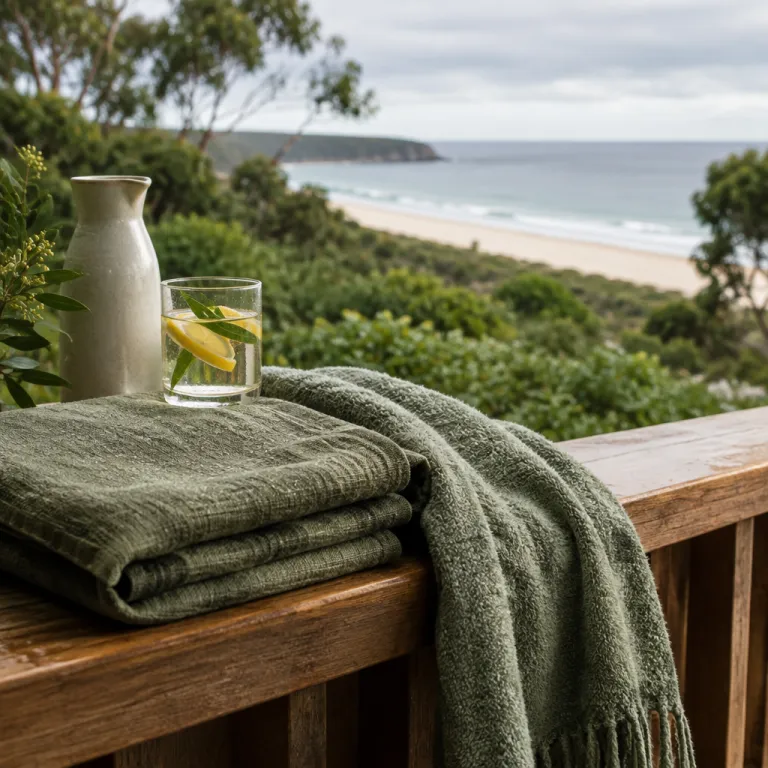
Why October is when the best Australian summer rooms quietly vanish
By October, many Australians start to book their summer hotel stays without fanfare. The most coveted rooms along the coast and on the islands often go to travellers who book their hotels well in advance with quiet precision rather than in a last minute panic. If you wait until the school holidays feel close, it will be hard to find the best rooms at a fair price, especially if you want a longer stay or specific layouts.
Island resorts on the Great Barrier Reef typically range from about AUD 1,000 to 2,500 per night, and the most sought after rooms often fill three to four months early for peak summer, according to Tourism and Events Queensland booking data. That means a family planning a trip for late December should complete their hotel booking by early spring if they want interconnecting rooms, ocean views and flexible cancellation. When you book stay options this early, you can still compare prices, read cancellation terms carefully and set price alerts to track prices as they move over time.
The pattern is clear across many luxury hotels that sit in major tourist regions rather than city centres. Remote lodges, reef islands and intimate coastal properties with fewer rooms see prices rise as the day of arrival approaches, while CBD hotels in Sydney and Melbourne often show lower rates closer to check in. If you want to stay save and still secure the best rooms, you should book directly on the hotel website, then use a price alert tool to track prices and request adjustments if prices drop later.
Where early booking matters most: islands, remote lodges and coastal hideaways
Some Australian hotels simply cannot absorb late demand because flights, ferries and room counts are limited. Lord Howe Island, for example, has capped visitor numbers and restricted flights, so if you want to book the best summer rooms there, you must think in months rather than weeks. Families who wait until the school holiday rush will hard find any hotel rooms, let alone the best interconnecting suites for a longer trip.
On Kangaroo Island and Hamilton Island, the equation is similar, but the drivers differ slightly. Hamilton Island has more hotels and apartments, yet the premium rooms with Coral Sea views and easy access to the marina book out early because flights and transfer times shape every trip. Kangaroo Island’s luxury lodges and coastal retreats sit in remote pockets, so when one hotel books out for a key day, there is often no equivalent nearby, which makes early booking the only realistic saving tips strategy if you want to save money without compromising on quality.
Along the New South Wales North Coast, Byron Bay and its neighbouring towns see a surge in hotel booking demand from both interstate and local travellers. Properties with fewer than 20 rooms, especially those close to the beach or hinterland dining, are the first to go, and prices rise sharply once major tourist dates like Christmas and New Year appear on the calendar. If you want a great stay with a pool, parking and space for children, you should book directly, set price alerts and sign a newsletter from your preferred hotels to hear about great deals before prices drop or rooms vanish.
Wine regions also reward early planners who want character and comfort rather than generic rooms. In the Yarra Valley, for instance, many of the most atmospheric hotels sit on working vineyards where the dining room rivals the cellar door, and these properties often prioritise guests who book directly for two or three nights. For a deeper look at how to pair wine country stays with serious food, see this guide to Yarra Valley hotels where the dining room rivals the cellar door, then apply the same timing logic to other regions.
How peak summer pricing really works for Australian families and couples
Price behaviour across Australian hotels in summer is less about weather and more about school calendars. The Christmas to New Year week commands the highest prices of the season, while early December and late January often offer lower rates for the same rooms. If you can shift your trip by even a few days, you may save money without compromising on the quality of your stay or the length of your holiday.
For families, the key constraint is usually school holidays rather than flights or temperature. When every family tries to book the best Australian beach hotels for the same two weeks, hotel booking systems respond with higher prices and stricter minimum stays, especially in coastal and island destinations. Couples or travellers without children can often secure great deals by travelling in the shoulder weeks, when prices drop slightly and hotels are more open to upgrades, late checkout and free breakfast for those who book directly.
City breaks behave differently, which is where the smart planner can stay save without sacrificing comfort. CBD hotels in Sydney and Melbourne rarely sell out across summer, except during major sporting events or New Year’s Eve, so last minute prices can be attractive if you track prices and set price alerts. For a broader view on timing strategy, this analysis of why September is the smartest month to secure Australia’s finest hotels offers a useful framework you can adapt to October and beyond.
Whatever your timing, always read cancellation policies line by line before you confirm any hotel booking. Flexible rates usually cost more upfront but can save money if your flights change or a family member falls ill, while non refundable deals lock you in even if prices drop later. A simple rule is to book stay dates early on a flexible rate, then track prices and rebook at a lower price once your trip feels certain.
Smart booking tactics: direct reservations, cancellation rules and price tracking
Once you know where and when you want to travel, the way you book can be as important as the hotel you choose. Many Australian hotels quietly match or beat online travel agency prices when you book directly, then add perks like breakfast, late checkout or a better room allocation. For a family, those extras can turn a good trip into a great stay without increasing the total price or shortening the time away.
To make the most of your budget, use a simple checklist:
- Start with comparison sites to see typical prices for your dates and length of stay.
- Move to the hotel’s own website to complete the booking and request specific rooms.
- Set price alerts so you can track prices and react quickly if a better deal appears.
- Read cancellation rules in full before you pay, especially for peak summer dates.
When you book hotels this way, you can often request specific rooms, such as ground floor suites for prams or adjoining rooms for older children, which third party sites cannot guarantee. Always read cancellation terms carefully, because some luxury properties offer genuinely flexible policies up to a certain number of days before arrival, while others lock you in months ahead with stricter rules that limit changes.
Price tracking tools can help you stay save over the months between booking and travel. Set price alerts on your preferred dates and hotels, then sign a newsletter from properties you like so you hear about sales or added value offers early. If you see prices drop for the same room type and conditions, contact the hotel directly and ask whether they will adjust your price or add benefits such as free breakfast, parking or a late checkout instead.
One more tactic is to separate your book flight and hotel booking decisions while keeping an eye on both. In destinations with limited flights, such as Lord Howe Island, securing flights early is essential, then you can book stay options around those times, while in cities you can often reverse the order. Whatever the sequence, track prices for both flights and hotels, and remember that a flexible hotel rate can offset a fixed flight schedule if your plans shift by a day or two.
Where you can afford to wait: cities, shoulder seasons and alternative stays
Not every Australian hotel requires months of advance planning, and knowing where you can wait is part of booking with confidence. In central Sydney and Melbourne, a deep pool of hotels means you can often secure lower rates closer to arrival, especially outside major tourist peaks and sporting events. For these trips, you can focus on flexible flights first, then book central hotels in the CBD once your dates feel firm and you have compared options.
Darwin, Adelaide and Brisbane also offer more elasticity in summer, particularly for premium family friendly hotels that cater to both business and leisure guests. If your travel dates fall outside local festivals or big sporting events, you can monitor prices for a few weeks and book when you see a favourable price trend. For inspiration on how to pair urban stays with character rich properties, this guide to elegant urban retreats in Darwin shows how to balance location, design and value.
Alternative accommodation types can also help you save money without sacrificing comfort. Serviced apartments and aparthotels often provide more space for families, with kitchens and laundry facilities that reduce day to day costs over a longer stay. When you compare these options, look beyond the headline price and factor in free parking, breakfast inclusions and cancellation flexibility, then book directly with the property that offers the best overall value for your trip, whether you are travelling in Australia or planning hotels Europe style city breaks.
FAQ
How far in advance should I book Australian hotels for a Christmas to New Year stay ?
For the Christmas to New Year period, you should aim to book popular Australian hotels at least three to four months ahead, especially for islands, coastal towns and remote lodges. These destinations combine limited rooms with high demand, so waiting until late spring will hard secure the best options at a reasonable price. City hotels offer more flexibility, but even there, harbour view rooms and family suites can sell out early for peak dates.
Is it cheaper to book directly with a hotel or through an online travel agency ?
Online travel agencies are useful for comparing prices, but many Australian hotels match those prices when you book directly and then add extras such as breakfast, late checkout or better room placement. Direct booking also makes it easier to adjust dates, request specific rooms and read cancellation policies in full. Over a family stay of several nights, those added benefits often outweigh small price differences and can help you save money overall.
Which Australian destinations sell out first for summer holidays ?
Island resorts on the Great Barrier Reef, Lord Howe Island, Kangaroo Island and coastal towns like Byron Bay tend to sell out first for summer. These places combine limited flights, small room inventories and strong demand from both domestic and international travellers. If you want the best rooms in these regions, you should plan your hotel booking several months before your intended stay.
Can I wait for last minute deals on luxury hotels in Sydney or Melbourne ?
In Sydney and Melbourne CBDs, you can often wait for last minute deals outside major events, because there are many hotels competing for guests. Last minute prices can be attractive, particularly for weekend stays when business travel is quieter and lower rates appear. However, if you need specific room types, such as interconnecting family rooms or harbour views, booking earlier remains safer.
How can I protect myself if my summer travel plans change ?
The most effective protection is to choose flexible rates and read cancellation policies carefully before you confirm any booking. Flexible rates usually allow changes or refunds up to a certain number of days before arrival, which is valuable if flights shift or family circumstances change. Pair this with travel insurance that covers accommodation costs, and always track prices so you can rebook at a lower rate if conditions allow and prices drop for your dates.