Why former cattle stations make the richest outback luxury stays
Across the outback in Australia, a quiet shift is reshaping how premium travellers sleep under big skies. Former working cattle station properties are becoming the kind of outback luxury lodge cattle station Australia does best, where red dust, river bends and homestead verandahs frame the stay. For Australian families used to coastal resorts, these lodges feel both disarmingly raw and surprisingly refined.
The strongest conversions keep the bones of the original station while layering in contemporary luxury with restraint and respect. Renovation and preservation work with eco friendly systems, rather than against them, so a guest suite might sit in a restored shearers’ quarters while solar power and efficient water treatment hum quietly in the background. This approach turns outback experiences into something immersive and long lasting, rather than a themed weekend with stockwhip clichés.
Think of each lodge as a living chapter in the story of rural Australia, not a stage set. A working cattle operation might still run across tens of thousands of hectares, with guests heading out at dawn to watch mustering or to walk along a river station boundary line. For a premium family, that means children see how a station really functions, while parents enjoy a glass of shiraz on the deck as the sun drops behind a distant range.
Mount Mulligan Lodge and the new language of pastoral luxury
Mount Mulligan Lodge in remote Queensland is one of the clearest examples of an outback luxury lodge cattle station Australia can be proud of. Set on a 28,000 hectare property beneath the hulking sandstone of Mount Mulligan itself, the lodge occupies a former mining and cattle station landscape that still feels resolutely wild. Here, the word luxury means space, silence and a front row seat to changing light on the escarpment.
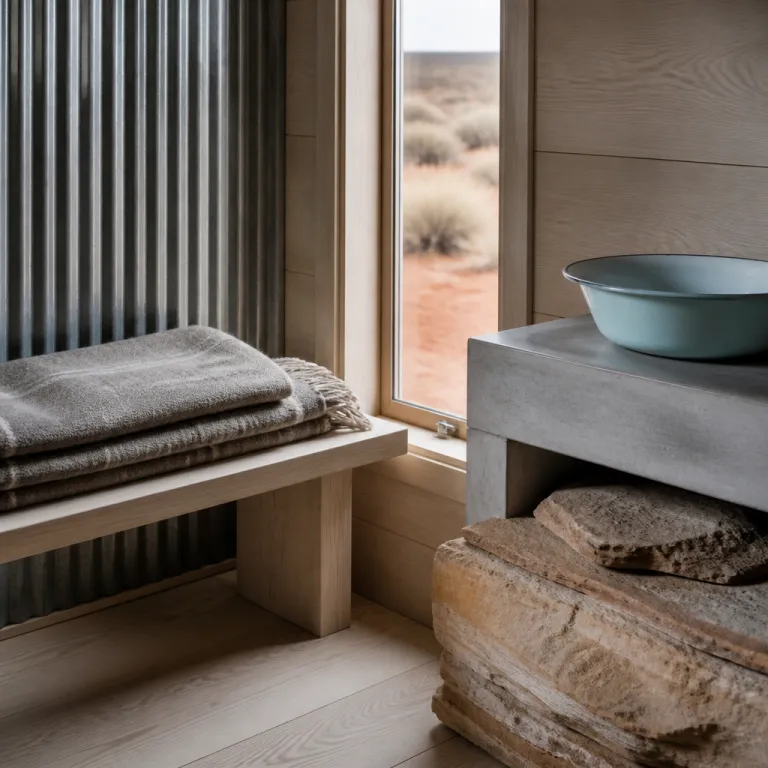
The conversion philosophy at this mulligan property is simple but rigorous, preserving the station character while introducing modern comfort with a light touch. Timber decks echo old stockyard rails, corrugated iron roofs remain, and interiors lean into natural materials rather than glossy finishes, so the mulligan lodge suites feel like elevated homestead rooms rather than transplanted city apartments. Families can book interconnecting suites, giving children their own space while keeping everyone close to the main lodge hub.
Days here are built around outback experiences that connect directly to the land and its history. Guided walks trace old mining routes and station tracks, while 4WD tours cross dry creek beds and skirt the base of mount ranges south of the main escarpment. For those tracking new openings and reimagined icons, the same ethos of landscape led luxury runs through properties such as Southern Ocean Lodge on Kangaroo Island, which has been rebuilt as a solar powered coastal retreat and profiled as Australia’s most dramatic address.
Finniss River Lodge, Bullo River Station and the northern frontier
Shift your gaze to the Top End and the picture changes again, with the northern territory leading a new wave of station based luxury. Finniss River Lodge sits on a 50,000 acre working cattle station south west of Darwin, where floodplains, paperbark forests and the sinuous Finniss River shape the stay. The lodge uses its river station setting to offer airboat trips, heli fishing and wet season wildlife viewing that feel far removed from the usual resort pool routine.
Further west, Bullo River Station in the east Kimberley region pushes the idea of outback experiences even deeper into frontier country. This bullo property spans hundreds of thousands of acres near the border between Western Australia and the northern territory, with gorges, waterfalls and a powerful river system cutting through red rock. Guests can explore by helicopter, boat or 4WD, then return to a homestead where polished concrete floors, wide verandahs and generous bathrooms quietly meet contemporary luxury expectations.
For Australian families comparing options on a premium booking platform, these northern lodges sit alongside more urban luxury in places such as Brisbane, where guides to the best accommodations for remote workers help frame city stays. Out here though, the value equation is different, because access, staff logistics and land management across remote western and northern regions drive higher nightly rates. When you pay for an outback luxury lodge cattle station Australia wide, you are funding helicopters, conservation work, skilled guides and the year round care of vast landscapes.
Conservancy models, cultural partnerships and heritage restorations
Not every remote property is a former cattle station, yet the best outback experiences share a similar respect for country and history. In the Flinders Ranges of South Australia, Arkaba has shifted from a traditional station to a wildlife conservancy model across roughly 24,000 hectares, where the old homestead anchors a programme of guided walks and conservation activities. Families staying here can join wildlife tracking sessions and learn how conservancy flinders style land management differs from conventional grazing.
Further north, Longitude 131 near Uluru operates on a cultural partnership model with Anangu traditional owners, weaving guided walks, art visits and story led experiences into its luxury tented suites. Over in New South Wales, Emirates One&Only Wolgan Valley in the ranges south of the Blue Mountains showcases heritage restoration, with an original homestead structure forming the heart of a conservation focused resort where over one million native trees have been planted. These examples sit outside the strict definition of an outback luxury lodge cattle station Australia might use, yet they share the same commitment to blending comfort with care for land and culture.
Families weighing up a station stay against a more conventional national park lodge should look closely at how each property talks about its relationship with country. Does it sit within or beside a national park or park northern landscape, and is there a clear explanation of how fees support conservation or community projects. On my-australia-stay.com, our round up of new luxury hotel openings across Australia highlights which properties are leaning into these models, and which are simply borrowing outback aesthetics.
How to choose and book the right remote hideaway for your family
For a premium family based in Australia, the first step is deciding how remote you really want to go. A property like Mount Mulligan Lodge in Queensland offers relative ease of access from the coast, while a stay at Bullo River Station in the east Kimberley or at Bamurru Plains on the edge of Kakadu National Park demands a higher tolerance for small aircraft and seasonal road closures. In the central desert, lodges near Kings Canyon or within reach of Kakadu National landscapes in the northern territory add another layer of remoteness again.
Look for clear signals that a lodge is either still a working cattle station or has a transparent relationship with its pastoral past. Genuine river station operations will talk openly about mustering, land care and the realities of drought, rather than just styling rooms with saddles and sepia photographs, and properties such as Callubri Station in New South Wales or Callubri style conversions elsewhere show how this can be done with honesty. When you see references to outback experiences that include meeting station staff, joining fence runs or learning about water management, you are usually in authentic territory.
Practicalities matter as much as romance when booking an outback luxury lodge cattle station Australia wide. Minimum stays of three nights are common, both to justify transfers and to give you time to settle into the rhythm of the land. You will need light layers for cool nights, sun protection for hot days, closed shoes for walks and a willingness to unplug, because even the most luxurious lodge in western Australia or South Australia will sometimes prioritise star filled skies over perfect Wi Fi.
Key station conversions to know
Three names come up repeatedly when talking about cattle stations transformed into luxury lodges in the outback. Mount Mulligan Lodge in Queensland, Finniss River Lodge near Darwin and Bullo River Station in the east Kimberley each show a different way to balance working cattle realities with guest comfort. As one operator puts it, “Mount Mulligan Lodge opened 2019”, “Finniss River Lodge opened 2021”, and “Bullo River Station reopening 2027”.
FAQ
What is Mount Mulligan Lodge and where is it located
Mount Mulligan Lodge is a luxury lodge set on a 28,000 hectare former cattle station in remote Queensland. The property sits beneath the dramatic sandstone bulk of Mount Mulligan, several hours inland from the coast by road or air. It offers guided outback experiences such as 4WD tours, walks and water based activities on the dam.
Is Bullo River Station still a working cattle property
Bullo River Station in the east Kimberley remains a working cattle station while also operating as a high end lodge. Guests can observe aspects of station life, from mustering to bore checks, depending on the season and safety considerations. This dual role allows travellers to experience authentic outback life without sacrificing comfort.
How remote are lodges like Finniss River Lodge and Bamurru Plains
Finniss River Lodge sits on a large cattle station south west of Darwin, reached by road transfer or light aircraft depending on conditions. Bamurru Plains lies on a floodplain near the boundary of Kakadu National Park, with access typically via small plane or 4WD transfers from Darwin. Both feel remote once you arrive, with wide open landscapes and limited phone coverage, but they maintain strong safety and logistics systems behind the scenes.
Why do outback luxury lodges on cattle stations cost more than many coastal resorts
Remote lodges face higher operating costs because everything from food and fuel to linen and building materials must be transported long distances. Staffing is more complex, as teams often live on site for extended periods and require accommodation, travel and training. Many properties also invest heavily in conservation, cultural partnerships or land restoration, which is reflected in nightly rates.
How can I tell if a station stay is authentic rather than themed
Authentic station stays are transparent about their history, current operations and relationship with local communities or traditional owners. They usually offer activities that engage with real station work, land management or conservation, rather than only staged photo opportunities. Reading detailed property descriptions and independent reviews on specialist platforms such as my-australia-stay.com helps you separate genuine working properties from those using outback styling as décor.