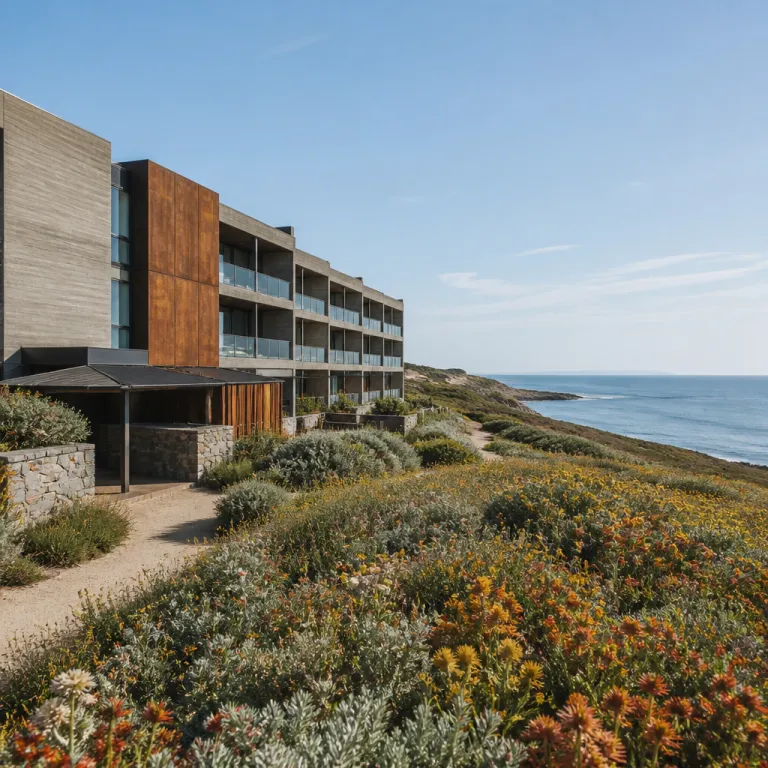
The wildflower corridor and where to base yourself
Wildflower season accommodation in Western Australia fills quickly. From the Gascoyne and Murchison in the north to the Great Southern coast, the flowering wave rolls slowly south between August and late September and October. If you want the best local stays near the most vivid wildflower displays, you need to plan your route before the first orchids open.
The corridor starts in the Gascoyne and Murchison, where early wildflowers fringe red dirt tracks and every national park can feel like a private garden. By September the focus shifts towards the Golden Outback and the Mid West, where a single wildflower trail can reveal dozens of species in one short walk. Later in the season, wildflower displays peak around the Great Southern and the forests near Margaret River, with karri trunks rising above carpets of colour.
Think of your trip as a sequence of well chosen bases rather than one long trail. In the north, remote eco lodges and pastoral stations act as seasonal wildflower retreats, pairing guided tours with quiet verandahs and dark skies. Further south, you can find polished coastal properties that let you spend the day on a guided tour and the evening with a glass of wine, reviewing your photographs of rare species.
Regional capacity is limited, so the perfect room often goes to whoever books first, not whoever spends most. Tourism operators across Australia now report that wildflower season demand rivals peak beach holidays, especially for September and early October. As one long time guide in the Mid West puts it, “September is when everything seems to bloom at once.”
Perth, Geraldton and coastal bases for day trips
Perth is the most practical launch pad for many wildflower getaways in Western Australia. Within the city, Kings Park becomes a living field guide, with a wildflower festival and curated beds that showcase hundreds of Western Australian species in one walk. Time your stay for the main Kings Park festival in early to mid September and you can see spectacular displays without leaving town, then head out the next day on a longer wildflower trail.
From Perth, luxury minded travellers often book a central hotel and use private day tours as their wildflower engine. Perth's Tiny Tours, for example, runs intimate wildflower day tours that can be tailored around photography, orchids or quieter national park corners. These guided tours let you find the best local patches without spending hours cross checking bloom reports and road conditions.
Further north, Geraldton and Kalbarri work as coastal bases where the sea breeze meets inland colour. Stay in a premium room overlooking the harbour, then join adventure tours that push inland to national park lookouts and hidden gullies rich in wildflowers. Many operators now offer a full day guided tour that pairs coastal cliffs with inland carpets, so you can photograph both wildflower displays and ocean light before returning to crisp linen.
Linking seasons can be rewarding if you enjoy planning ahead. Travellers who chase truffles in winter often return to the same Western Australia hotels during wildflower season, using resources like this guide to truffle season accommodation in Western Australia as a template for spring. The rhythm is similar; base yourself somewhere comfortable, then let curated tours and local knowledge lead you out each morning.
Stations, inland stays and the art of booking early
Move inland and the character of wildflower season stays in Western Australia changes completely. Pastoral stations and farm stays open a handful of rooms, turning working properties into seasonal retreats where the nearest neighbour might be several kilometres away. These are the places where you wake to a pale band of light over the paddocks and find wildflowers already glowing along the fence line.
Operators such as Villa Carlotta Travel and AAT Kings have built multi day wildflower tours around these inland bases, often combining a full day on the road with evenings of shared stories over local wine. Many itineraries thread through the Golden Outback and the Gascoyne and Murchison, where the density of species is extraordinary and the sense of space is even greater. Photography focused adventure tours are particularly popular, because they allow time to work each location rather than racing from one park sign to the next.
Booking tips for peak wildflower season
Booking these stays is not like choosing a city hotel where another tower always waits around the corner. A single national park gateway town might have only a few premium rooms, and once wildflower festival dates are announced those rooms vanish quickly. Smart travellers treat September and early October as non negotiable peak dates, secure accommodation before finalising flights or car hire, and monitor official bloom forecasts and regional event calendars so their bookings match the best colour.
When comparing options, ignore glossy language and look for evidence of real regional engagement. Our broader guide to what hotel awards and rankings really mean in Australia is a useful filter here, especially in remote Western regions. Properties that work closely with conservation groups and local guides tend to offer more insightful wildflower trail access and more respectful use of fragile habitats.
Albany, Margaret River and combining wildflowers with coastal luxury
By late season the wildflower focus shifts south towards Albany, the Great Southern and the forests around Margaret River. Here, wildflower season hotels in Western Australia lean more towards polished coastal luxury, with cellar doors, serious kitchens and long decks facing the Southern Ocean. It is an ideal phase for travellers who want wildflowers by day and refined hospitality by night.
Albany wildflower walks thread from windswept headlands into sheltered gullies, where orchids and delicate species hide between granite boulders. Many premium hotels in Albany now work with guides who offer a half day or full day guided tour, pairing wildflower trail sections with local history and photography tips. In the Great Southern, you can find national park lookouts where wildflowers frame views of white sand beaches and turquoise water.
Margaret River adds another layer, letting you combine cellar door visits with short wildflower walks through nearby forest. Some of the best local properties here already understand that guests want both wine and wildflowers, so they arrange transfers to trail heads and pack simple picnics for a relaxed day out. If you are planning a longer Western Australia circuit, this region also pairs well with design forward city stays such as The Blackman in Melbourne, which we review as an urban art retreat for Australian luxury travellers.
Throughout Western Australia, more than 12,000 wildflower species create one of the richest floral shows on the planet. That scale explains why guided tours, from Perth's Tiny Tours to longer itineraries with Villa Carlotta Travel, are thriving. Use online booking platforms or contact local hotels directly, and always check bloom forecasts so your carefully chosen room aligns with the most spectacular displays.
FAQ
When is the best time to see wildflowers in Western Australia ?
The most reliable time to see peak wildflowers in Western Australia is September, when many regions across the state are in full bloom. Northern areas such as the Gascoyne and Murchison often start earlier, while the Great Southern and coastal zones near Albany and Margaret River can hold colour into October. If you want to combine multiple regions in one trip, plan for late August through early October and adjust based on seasonal forecasts.
How far in advance should I book hotels for wildflower season ?
For popular wildflower season hotels in Western Australia, especially in small inland towns and near major national park gateways, you should book several months ahead. September and early October are the first dates to sell out, particularly for premium rooms and pastoral station stays. Once wildflower festival dates are confirmed, availability can disappear within days, so treat accommodation as your first priority.
Are guided wildflower tours available and are they worth it ?
Guided wildflower tours are widely available across Western Australia and are often the most efficient way to find the best local displays. Companies such as Villa Carlotta Travel and AAT Kings run multi day itineraries, while Perth's Tiny Tours focuses on private day tours around Perth and nearby parks. These guided tours help you identify species, reach quieter wildflower trail sections and maximise limited time on the road.
Where should I base myself for day trips to see wildflowers ?
Perth is an excellent base for early season day trips, with Kings Park and nearby reserves offering easy access to wildflowers. Geraldton and Kalbarri work well for exploring the Mid West and Golden Outback, while Albany and Margaret River are ideal for late season colour in the Great Southern. Choose comfortable hotels in these hubs, then use a mix of self drive routes and guided tours to reach national park lookouts and inland trails.
How can I minimise my impact on wildflower environments while travelling ?
To protect Western Australia's wildflower habitats, always stay on marked trails and avoid trampling vegetation for photographs. Do not pick flowers, respect any local closures and follow guidance from park rangers or tour leaders. Choosing operators and hotels that work with conservation groups also helps support long term protection of these fragile landscapes.
References
Western Australian Herbarium; Tourism Western Australia; Parks and Wildlife Service Western Australia.