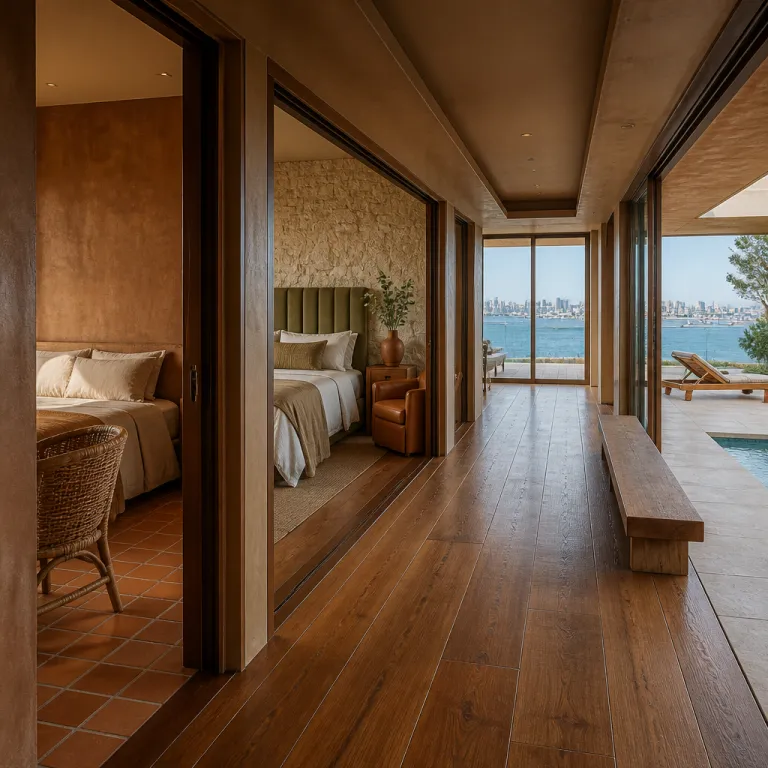
How to read price tags for luxury hotels in Australia
Luxury hotels in Australia span a huge spectrum, and the nightly rate is only the start of the story. A couple paying AU$500 in Sydney Australia will have a very different stay from a couple paying the same amount in a remote lodge on the edge of a national park. Understanding what each tier really buys across cities, islands and outback luxury lodges is the key to booking with confidence rather than crossing your fingers.
Across the country, the main luxury hotels and resorts cluster in Sydney, Melbourne, the Gold Coast, Western Australia and the islands that fringe the Great Barrier Reef. The same budget can secure a compact harbour view room in a flagship hotel Sydney property, or a generous suite in a quieter south coast retreat with long southern ocean views and a slower rhythm. Price is only one axis; inclusions, privacy, service style and access to nature matter just as much for couples planning a romantic escape.
Think of luxury hotels Australia wide as a collection of distinct experiences rather than a single category. In the city, you are paying for location, skyline views and polished dining, while on a private island or remote lodge you are investing in seclusion, guided activities and often conservation work. Once you start comparing what is included at AU$500, AU$1,000 and AU$2,000 a night, the value gaps between hotels, resorts and lodges become very clear. The indicative price ranges in this guide draw on publicly listed rates from major booking platforms, operator tariff sheets and recent Australian luxury accommodation benchmarking reports.
The AU$500 a night tier: smart luxury in cities and strong value in regions
At around AU$500 a night, luxury hotels in Australia sit at the entry point to premium travel, and expectations should be calibrated carefully. In Sydney and Melbourne, that budget usually buys a well designed room in a central hotel with quality bedding, a good shower, reliable Wi Fi and access to shared wellness facilities rather than a sprawling suite. At this level, you are paying for standard high end comforts, efficient service and a convenient base rather than full scale resort indulgence.
In Sydney Australia, AU$500 can secure a harbour facing room in a mid level hotel Sydney property in The Rocks or Barangaroo, but you will likely pay extra for breakfast, parking and spa access. In Melbourne, the same amount might book you into a Carlton Melbourne address near Lygon Street, or a room in towers Melbourne properties close to the river, again with à la carte dining and wellness charged on top. In both cities, couples should budget for valet fees, room service markups and mini bar prices that can quietly add 20 to 30 percent to the stay.
Shift that AU$500 to regional Australia and the value equation changes in your favour. On the New South Wales south coast, in parts of Western Australia or near a lesser known national park, the same spend can deliver a characterful lodge or small collection of villas with generous rooms, local dining and often breakfast included. For a deeper breakdown of how this plays out by region and season, our decision framework by region and budget maps where AU$500 buys what often feels like AU$1,000 value, especially outside school holidays.
The AU$1,000 a night tier: genuine luxury, serious wellness and real service
Once you cross the AU$1,000 a night threshold, you are firmly in the realm of serious luxury hotels Australia wide, and service standards should rise accordingly. Rooms or suites are usually larger, with better soundproofing, higher thread count linens, curated minibars and bathrooms designed as sanctuaries rather than afterthoughts. At this level, you are paying for enhanced luxury with superior rooms, additional facilities and more personalised services, not just a nicer view.
In Sydney, Park Hyatt Sydney is a benchmark; its average nightly rate sits around AU$1,200, reflecting its rare Opera House views and direct harbour frontage. Couples here can expect polished but relaxed service, a strong dining program and a spa that feels genuinely urban resort, though breakfast and many wellness treatments still price as extras. Across the harbour, InterContinental Sydney offers a different expression of luxury, with club floors, heritage architecture and a focus on skyline views rather than waterfront lawns.
In Melbourne, the AU$1,000 tier brings you into the orbit of international names such as Ritz Carlton and Hyatt, along with local heavyweights like Crown Towers Melbourne. A room at the Ritz Carlton Melbourne or a suite at Crown Towers can include access to high floor lounges, refined dining and expansive pools that feel more like hotels resorts in Asia than a standard city hotel. For couples chasing nature rather than neon, AU$1,000 in Western Australia or on the New South Wales south coast can unlock intimate luxury lodges where guided walks, simple spa rituals and long dinners built around local produce are part of the nightly rate, not add ons.
Seasonality matters sharply at this tier, especially on the Gold Coast and in Western Australia. A room that commands AU$1,000 during a major event or wildflower season might slide to AU$600 in shoulder months, while still including the same wellness facilities and dining access. Our guide to Western Australia’s wildflower season hotels is a useful reference if you are timing a romantic trip around nature’s calendar rather than school holidays.
The AU$2,000 plus tier: ultra luxury lodges, private islands and all inclusive stays
Above AU$2,000 a night, you are paying for rarity, privacy and immersion, not just a nicer room, and this is where luxury hotels Australia wide start to feel truly once in a lifetime. In this bracket, couples should expect top tier luxury with exclusive suites, premium facilities and exceptional personalised services. Most meals, many drinks and a curated slate of activities are usually included, along with transfers in some cases, especially at remote lodges and private island style retreats.
Qualia on Hamilton Island is a textbook example, with an average nightly rate around AU$2,000 reflecting its position as an exclusive resort on the edge of the Great Barrier Reef. Villas come with private plunge pools, expansive views across the Whitsundays and access to a spa that leans into slow, sensory rituals rather than quick fixes. Here, the line between hotels and resorts blurs; you are not just booking a room, you are buying into a private island rhythm of sailing, snorkelling and long, unhurried dining.
On the mainland, El Questro Homestead in Western Australia’s Kimberley region sits in a similar price band, with rates around AU$1,500 that often include guided gorge walks, station style dining and shared stories under the stars. This is where the term luxury lodges earns its keep, as the lodge operates more like a remote homestead than a conventional hotel, and the cost reflects both logistics and exclusivity. For couples who value conservation, properties in this tier frequently channel a portion of revenue into land restoration or reef protection, especially around the Great Barrier Reef and in fragile national park environments.
At the very top of the market, ultra exclusive properties such as Arkaba or Emirates One&Only Wolgan Valley push beyond AU$2,000 into AU$3,000 to AU$5,000 territory. These stays often cap guest numbers at a few dozen, or even five guests in the case of Arkaba, and include private guides, tailored wellness programs and deeply personalised dining. The price is steep, but for some couples the combination of privacy, nature and service at this level recalibrates what luxury hotels in Australia can mean.
City icons vs coastal and island escapes: where your money goes
Comparing a night at Park Hyatt Sydney with a night at Qualia or a Gold Coast resort shows how location shapes value as much as star rating. In the city, your AU$1,000 or AU$2,000 is buying proximity to theatres, galleries and dining, plus the drama of skyline views and harbour light. On Hamilton Island or another private island, the same budget trades urban energy for reef, rainforest and the kind of quiet that makes couples feel like the only guests in Australia.
In Sydney, the cluster of luxury hotels around Circular Quay and The Rocks includes Park Hyatt, InterContinental Sydney and several international brands such as Hyatt Regency and the incoming Ritz Carlton. These hotels lean into elevated dining, polished bars and spas that feel like calm capsules above the city, with wellness often priced per treatment rather than bundled. A short flight north, the Gold Coast offers a different style of luxury, with high rise hotels resorts that prioritise pools, beach access and relaxed dining over hushed lobbies and white tablecloths.
Melbourne’s luxury story is more vertical, with towers Melbourne properties such as Crown Towers and Ritz Carlton Melbourne stacking rooms, suites, spas and restaurants into glittering complexes. Here, couples can enjoy long dinners, late night bars and serious wellness facilities without ever leaving the building, though the city’s laneways and Carlton dining scene are always close. For a contrasting rhythm, the southern ocean facing lodges of South Australia and the south coast of New South Wales offer fewer facilities but more horizon, with clifftop walks and simple, generous dining that foregrounds local seafood and wine.
Islands and reef resorts add another layer to the decision. Around the Great Barrier Reef and the broader great barrier lagoon, properties range from family friendly hotels resorts to adults oriented retreats with strict caps on guest numbers. A stay on a private island near the reef will almost always cost more than a comparable room on the mainland, but couples are paying for reef access at dawn, empty beaches and the sense that the island is theirs between seaplane arrivals.
Wellness, dining and the hidden extras that change the real price
For couples booking luxury hotels in Australia, the real cost of a stay is the nightly rate plus everything you will inevitably add once you arrive. Breakfast, spa treatments, parking, transfers, in room dining and even bottled water can shift a seemingly reasonable AU$500 night into AU$700 by the time you check out. The trick is to understand which properties fold wellness and dining into the rate, and which treat them as revenue streams.
In city hotels such as Park Hyatt Sydney, Crown Towers Melbourne, Ritz Carlton Melbourne or a central Hyatt, breakfast is often an optional extra unless you book a specific package. Spa access may be complimentary, but treatments, couples massages and private spa suites are priced at a premium, especially on weekends. In contrast, many luxury lodges in Western Australia, South Australia and remote parts of New South Wales include breakfast and dinner, sometimes lunch, and often a daily activity such as a guided walk or boat trip in the rate.
Island resorts add another layer of complexity. On Hamilton Island, Qualia operates as a largely all inclusive resort, with many dining experiences, non alcoholic drinks and selected activities wrapped into the nightly cost, while other hotels resorts on the island follow a more traditional pay as you go model. Around the Great Barrier Reef and its islands, some resorts InterContinental style properties include generous breakfast buffets and shared transfers, while others charge separately for every boat, seaplane and snorkel trip, which can quickly add thousands to a week long stay.
Hidden costs are not always nefarious; they are often simply the byproduct of remote logistics or city land values. Valet parking at a central hotel Sydney address can run to three figures per night, while a private transfer from a regional airport to a remote lodge may be the only practical option. Before you book, read the inclusions line by line, ask about resort fees and check whether spa access, yoga classes and in room dining surcharges align with how you actually like to travel as a couple.
How to match your budget to the right Australian destination
Choosing between Sydney, Melbourne, the Gold Coast, Western Australia, the south coast or a reef island is ultimately about matching your budget to the kind of luxury you value most. If you are a couple who lives for dining, theatre and gallery hopping, then a few nights at a central hotel in Sydney or Melbourne at AU$500 to AU$1,000 a night may feel richer than a more expensive but quieter lodge. If you crave space, silence and nature, then stretching to a luxury lodge or private island near the Great Barrier Reef or a remote national park can feel like money very well spent.
For urban escapes, aim for AU$500 to AU$800 a night in shoulder seasons in Sydney Australia or Melbourne, and focus on properties where you can walk to the places you most want to eat and drink. Couples who prioritise wellness should look for hotels with serious spas, pools and relaxation areas, not just a token sauna and a small gym. In Melbourne, that might mean a stay at Crown Towers or Ritz Carlton Melbourne, while in Sydney it could be Park Hyatt Sydney, InterContinental Sydney or another harbour facing hotel with a strong spa and pool offering.
For coastal and island stays, consider whether you want a classic resort, a more intimate lodge or a fully fledged private island experience. Around the Gold Coast and northern New South Wales, AU$500 to AU$700 can buy a very comfortable room in a resort with pools and beach access, especially outside peak school holiday periods. On Hamilton Island or a smaller private island near the reef, expect to pay AU$1,000 to AU$2,000 for a truly romantic, adults oriented stay with serious wellness and dining, and remember that transfers, reef trips and spa rituals will add to the final bill.
Remote lodges in Western Australia, South Australia and inland New South Wales often sit in the AU$1,000 to AU$2,000 bracket, but the price usually includes meals, drinks and guided activities that would be charged separately in a city hotel. These properties are ideal for couples who want to feel held by a place, with hosts who know the land, the wildlife and the wines, and who can tailor each day to your energy levels. For a different kind of atmospheric stay, our piece on refined heritage hotels and legends explores how historic properties can deliver romance and character at a range of price points.
Key figures for Australian luxury hotel pricing
- Park Hyatt Sydney’s average nightly rate of around AU$1,200 places it firmly in the AU$1,000 plus tier, reflecting its rare Opera House views and harbourfront position (data compiled from specialist Sydney luxury hotel reviews and major booking platforms).
- Qualia on Hamilton Island averages about AU$2,000 per night, aligning it with the ultra luxury, mostly all inclusive segment where private villas, reef access and high end dining are bundled into the rate (data aggregated from Australian luxury travel reports and operator rate sheets).
- El Questro Homestead in Western Australia averages roughly AU$1,500 per night, which typically includes meals and guided activities, illustrating how regional luxury lodges often package more value into the nightly rate than city hotels at similar prices (data from Kimberley lodge pricing comparisons and published tariff guides).
- Across Australia, the same luxury property can fluctuate by 40 to 60 percent between peak and off peak seasons, meaning a lodge that is AU$1,500 in school holidays may drop close to AU$900 in shoulder periods (analysis of booking platform data and seasonal rate charts for major luxury lodges and coastal resorts).
- The Australian luxury hotel market spans roughly AU$400 to more than AU$5,000 per night, with the ultra luxury end dominated by remote lodges and private island style retreats that cap guest numbers and include extensive activities (summary of national luxury accommodation benchmarking and industry reports).
FAQ about luxury hotel prices in Australia
What amenities are included in a $500 per night hotel in Australia?
Typically includes standard luxury amenities like comfortable rooms, basic facilities, and good service. At this level in major cities, expect quality bedding, a solid bathroom, Wi Fi and access to a gym or pool, but breakfast and parking are often extra. In regional areas, AU$500 can also include breakfast and more generous room sizes.
What can I expect from a $1,000 per night hotel in Australia?
What can I expect from a $1,000 per night hotel in Australia? Enhanced luxury with superior rooms, additional facilities, and personalized services. You should see larger rooms or suites, better soundproofing, more attentive staff, refined dining and often club lounges or spa facilities that feel genuinely premium.
What does a $2,000 per night hotel in Australia offer?
What does a $2,000 per night hotel in Australia offer? Top-tier luxury with exclusive suites, premium facilities, and exceptional personalized services. At this level, many properties include most meals, selected drinks, curated activities and sometimes transfers, especially at remote lodges and island resorts.
How much more should I budget for extras at luxury hotels?
As a rule of thumb, allow an extra 20 to 30 percent on top of the nightly rate for breakfast, parking, spa treatments and incidentals at city hotels. At luxury lodges and private island style resorts, more is included in the rate, so extras may only add 10 to 15 percent unless you book a lot of premium activities. Always check what is bundled before you confirm a non refundable rate.
Where in Australia does AU$500 a night feel like AU$1,000 value?
Regional destinations in New South Wales, South Australia and Western Australia often deliver strong value at the AU$500 level, especially outside peak holiday periods. On the south coast, in parts of the Kimberley or near lesser known national parks, that budget can secure a generous room, thoughtful dining and sometimes guided activities. In contrast, the same amount in central Sydney or Melbourne usually buys a smaller room with more add ons.