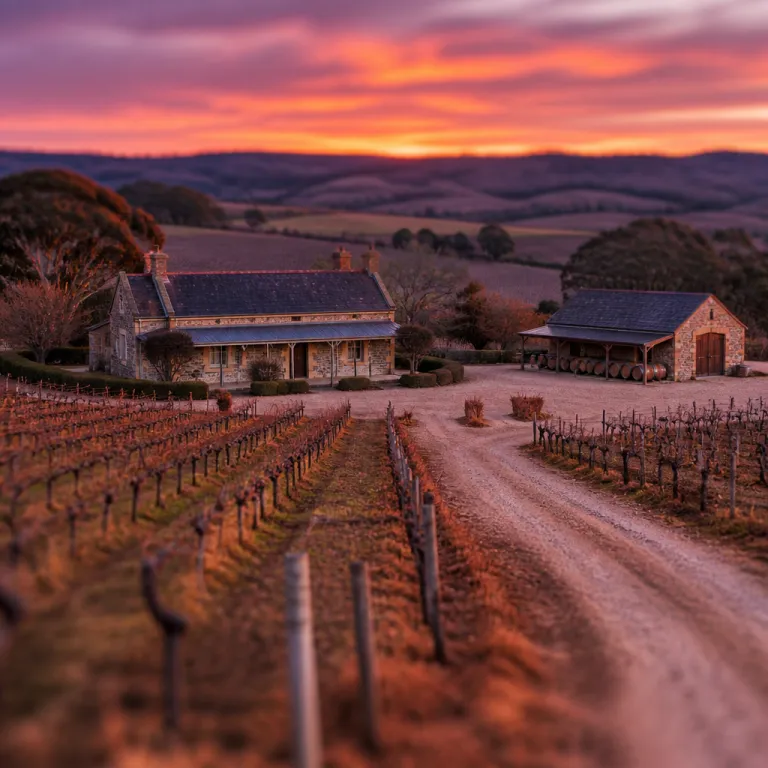
Why winter is the insider’s season in the Barossa Valley
When the vines in the Barossa stand bare against soft grey skies, the region shifts from postcard harvest bustle to a quieter, more luxurious rhythm. According to the Bureau of Meteorology, average winter daytime temperatures in the Barossa Valley sit around 14 °C, which makes a Barossa Valley winter escape feel perfectly calibrated to fireplaces, long lunches and slow drives through the rolling valley landscapes. For a couple planning to stay in Australia and avoid airports, this wine region offers an iconic mix of serious wines, refined accommodation and short travel time from Adelaide.
Most visitors still time their stay for vintage, yet winemakers quietly admit they prefer winter guests. As one local guide puts it without hesitation, “Wineries with fireplaces like Charles Melton Wines and Whistler Wines are popular.” Smaller groups mean more generous pours of shiraz and riesling, longer conversations about vine clones and often a spontaneous barrel tasting that would be impossible in peak season. This is when wine lovers can walk into a cellar door, talk directly with the maker and feel the full depth of the Barossa wine story without needing to elbow through a crowd.
The practicalities favour you as well, especially if you stay in the Barossa for several nights rather than rushing a day trip. Many of the best hotels and luxury accommodation options in the Barossa Valley introduce winter-only packages, from complimentary local wine on arrival to late check out and private firepit sessions. Typical offers might bundle a two-night stay in a king suite with breakfast, a three-course dinner and a guided tasting from around AU$350–$550 per night, based on recent winter packages advertised by mid-range and boutique properties in the region. You still need to book your accommodation early though, because Australians have started to value off-season travel and the range of intimate properties is limited.
For couples used to international city breaks, the ease of reaching this pocket of South Australia is part of the charm. The drive from Adelaide to the Barossa Valley takes about an hour via the Northern Expressway, which makes it simple to pair a city restaurant weekend with a three-night wine stay. With the growing attention on Adelaide’s food and wine scene and events like Tasting Australia, usually held in late April or early May, a winter itinerary that blends urban energy and vineyard calm feels like the best of both worlds.
Fireplaces, truffles and the winter only hotel packages worth booking
Look closely at Barossa Valley winter hotel offers and you will notice a pattern: winter is when properties lean into their fireplaces and kitchens. Luxury accommodation across the southern end of the valley builds packages around slow braises, truffle menus and long wine-matched dinners that simply do not make sense in summer heat. For a couple planning where to stay in Australia for a mid-year break, this is the season when the best hotels quietly offer the most value.
Many estates sit within walking distance of serious wineries, which changes the rhythm of your stay. A resort-style property near a working vineyard might include a guided stroll through the rows, followed by a shiraz and riesling tasting flight back at the lounge while the fire snaps. Some hotels partner with names like Barossa Valley Estate, Grant Burge Wines or the Wolf Blass Visitor Centre to create guest-only cellar door sessions that feel more like private salons than standard tastings, often scheduled in the late afternoon between 3 pm and 5 pm.
Food is where winter really sharpens the edge of a Barossa stay, especially for wine lovers who care as much about local produce as they do about the region’s wines. Expect menus built around slow-cooked lamb shoulder, root vegetables roasted until sweet and glossy, and desserts that lean into local wine reductions rather than light summer fruit. Many kitchens work directly with nearby growers and the Barossa Farmers Market, so the range of seasonal ingredients on your plate mirrors the vineyards you see from your bedroom window.
If you are weighing whether to splurge on a premium package, think of it the way you might assess alpine properties in our guide to hotels worth the winter premium. In the Barossa Valley, paying a little more in winter often buys you a quieter lounge, more attentive service and the kind of unhurried wine conversations that define a genuinely luxury stay. For couples who travel for connection rather than spectacle, that trade-off is usually worth every dollar.
Vineyard stays, intimate properties and choosing the right Barossa base
Choosing where to sleep shapes your entire Barossa Valley winter itinerary, because distances are short but atmospheres vary. Some couples want a vineyard estate where every bedroom looks across rows of shiraz vines, while others prefer a village-edge cottage within walking distance of cafés and cellar doors. Either way, the region’s mix of homesteads, converted farmhouses and low-slung resort properties gives you a broad range of options.
For a deeply immersive wine experience, look for accommodation on or beside a working vineyard in either the main Barossa Valley floor or the cooler Eden Valley. Staying on site means you can wander out at first light, coffee in hand, and watch mist lift off the vines before the day’s tastings begin. It also means you can retreat to your bedroom between wineries, which matters in winter when the temperature drops quickly after mid-afternoon and many cellar doors close around 4 pm.
Names like Seppeltsfield and Jacob’s Creek anchor many itineraries, not just for their wines but for the way they shape the surrounding landscape. Properties near these wineries often blend heritage architecture with contemporary interiors, giving guests a sense of South Australian history without sacrificing comfort. When you visit the Barossa in the cooler months, these layered spaces feel especially welcoming after a day spent moving between cellar door benches and windswept lookouts.
If you are the kind of traveller who will happily drive an extra hour for the right stay, you will recognise the logic from our feature on regional properties worth the detour. In this wine region, a slightly longer drive from Adelaide can place you in a quieter pocket of the valley, closer to Eden Valley’s higher-altitude riesling or tucked behind a ridge where only local wine trucks pass. That sense of seclusion, paired with attentive service and serious wines, is what elevates a good stay into one of the best.
Designing your winter day: beyond the tasting bench
A well-planned Barossa Valley winter trip balances tastings with time to breathe, because palate fatigue is real. Start with one or two key wineries in the morning, then leave space for a long lunch built around local produce and thoughtful food and wine pairings. In the afternoon, swap the cellar door circuit for short walks, artisan visits or simply reading by the fire while rain taps on the roof.
Walking trails thread through the valley landscape, and even a modest 3 kilometre loop can reset your senses between shiraz and riesling sessions. Many properties sit within walking distance of small-town bakeries, cheesemongers and providores, so you can assemble your own platter of local, wine-friendly snacks for a quiet evening in. For couples who like to mix wellness into their wine region escapes, our feature on thermal springs and cold air escapes offers ideas that pair neatly with a Barossa or Eden Valley itinerary.
Winter also changes the social texture of a visit, because staff have more time and the pace softens. At places like Barossa Valley Estate, Grant Burge Wines and the Wolf Blass Visitor Centre, teams can walk you through a broader range of wines, from flagship shiraz to experimental riesling, without rushing. As one cellar door host explained, “In winter we can pour slower, talk more and really tailor the tasting to what guests are curious about.” That depth of experience is what turns a simple stay into a story you will retell, long after you have left South Australia and opened the bottles you carried home.
To make the most of this quieter season, follow a few practical rules that locals swear by. Dress warmly for cool temperatures, check winery opening hours in advance and book accommodation early, because the best luxury options remain limited even in the off-peak months. With that sorted, your Barossa stay becomes less about logistics and more about the simple pleasure of moving slowly through one of Australia’s most characterful wine regions.
FAQ
What are the best wineries to visit in the Barossa during winter ?
Wineries with fireplaces like Charles Melton Wines and Whistler Wines are popular. These cellars offer both warmth and atmosphere, which matters when you are tasting shiraz and riesling on a cold day. Many guests pair them with visits to larger sites such as Barossa Valley Estate or the Wolf Blass Visitor Centre for a broader range of wines and styles.
Are accommodations available in the Barossa Valley during winter ?
Most hotels, guesthouses and vineyard estates in the Barossa Valley operate year round, including the quiet winter months. Availability is generally better than during harvest, but luxury accommodation and small properties with only a few bedrooms can still book out on key weekends. It is wise to reserve your Barossa plans early, especially if you want specific dates, room types or packages that include dinners and tastings.
What activities can I do in the Barossa Valley in winter beyond wine tasting ?
Winter in the Barossa Valley suits slow travel, so you can combine tastings with walks, long lunches and visits to local artisans. Many travellers explore short trails, stop at cheesemakers and bakeries, or spend afternoons by a fireplace with a glass of local wine. The quieter season also makes it easier to talk with winemakers, join barrel tastings and learn more about the region’s history and grape varieties.
How cold does it get in the Barossa Valley during winter ?
Average daytime temperatures in the Barossa Valley sit around 14 °C in winter, with colder mornings and evenings. That cool but manageable climate is ideal for fireside tastings and long meals, provided you pack layers and a good coat. Many hotels and cellar doors have fireplaces or heated spaces, so comfort is rarely an issue even on rainy days.
Is it easy to combine a Barossa winter stay with time in Adelaide ?
The drive from Adelaide to the Barossa Valley takes about an hour, which makes it simple to add a three-night vineyard stay to a city break. Many Australian travellers now plan a few nights in Adelaide to enjoy the rising food and wine scene, then head north for a quieter Barossa Valley experience. This combination works especially well in winter, when both the city and the wine region feel more relaxed and restaurant reservations are easier to secure.