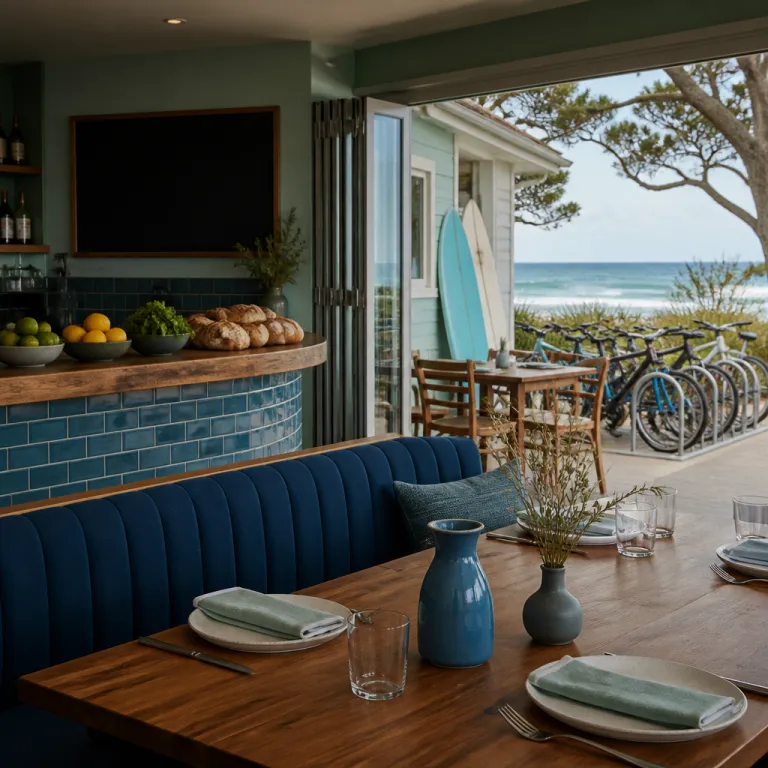
Why hotel restaurants in Australia now belong to the locals
Across australia, the old joke about limp room service trays feels dated. In major cities and coastal enclaves, the new benchmark for hotel dining is whether locals will cross town for a restaurant table on a Tuesday night. When you see australia locals queue at the host stand, you know the dining experience has eclipsed the check in desk.
The latest OpenTable data on hotel restaurants in australia locals dining habits shows how far things have shifted, with the majority of reservations now coming from guests who are not staying overnight. That statistic reframes the role of every hotel restaurant and bar, turning once quiet dining room spaces into high demand venues that can anchor an entire property strategy. For travellers, it means the best hotel stays increasingly start with a reservation at the restaurant bar rather than a request for a late checkout.
In this landscape, the properties that thrive treat their hotel restaurants as independent restaurants australia first and in house amenities second. A serious kitchen bar, a sharp wine list and a chef with a point of view matter more than lobby art or thread count, because food and drink revenue can now rival room revenue cent for cent. When you are choosing where to stay, follow the locals to the hotel dining hotspots and you will usually find australia best options for both plate and pillow.
From Saint Peter to Cibaria: when the restaurant leads the hotel
Some of the most compelling hotel restaurants in australia locals dining scenes now sit inside properties where the restaurant is the headline act. In Sydney, Saint Peter at The Grand National Hotel Paddington has become a dining destination in its own right, with the hotel almost playing supporting role to the restaurant. Book a room upstairs and you gain rare proximity to one of the best restaurants in the country, where the focus on australian seafood turns every service into a quiet masterclass in food and wine.
Down in melbourne, Coupette at Hannah St Hotel shows how a kitchen bar can redefine a neighbourhood, drawing locals who might never think to book a hotel room yet return weekly for food drink pairings and a tightly edited wine list. These venues prove that the best hotel investments now sit in the dining room, where an award winning restaurant bar can stabilise occupancy by giving locals a reason to visit year round. For business travellers extending a stay, this shift means you can build an entire food and wine itinerary around the hotels themselves, using guides such as travel Australia food and wine hotel itineraries to plan your route.
On the Northern Beaches, Cibaria at Elysium Manly shows how a single hotel restaurant can reset a coastal suburb. Alessandro Pavoni’s multi million dollar Italian restaurant has become one of the key restaurants australia wide for Sydney diners who care about produce, and many only later realise there is a hotel attached. For australian travellers, these examples underline a simple rule for hotel dining choices, because where locals book on OpenTable first, you will usually find the best hotel experiences waiting upstairs.
Perth, Adelaide and beyond: regional hotel dining with serious intent
On the west coast, InterContinental Perth has turned its food and drink program into a calling card for hotel restaurants in australia locals dining culture. Ascua and Heno & Rey sit at street level like independent venues, with a restaurant intercontinental badge that signals polish without dulling the local character. For many perth locals, these restaurants australia wide are weeknight regulars rather than special occasion splurges, which is exactly what a modern hotel restaurant should aim for.
In south australia, the state’s long running Tasting Australia festival has helped shift expectations around hotel dining, pushing properties to treat their dining room spaces as stages for regional produce. When a hotel restaurant participates in Tasting Australia events, it signals a commitment to local growers that resonates with both visitors and australia locals who care where their food comes from. Travellers planning a circuit through south australia can now thread together stays based on where the most interesting hotel dining collaborations are happening, using inspiration from features such as Tasting Australia fine dining journeys.
Beyond the capitals, the gold coast has quietly built a reputation for hotel restaurants that treat the ocean as both backdrop and pantry. Here, the best hotel options often pair a relaxed restaurant bar with a kitchen bar that handles seafood with the same care you might expect from a venue listed in the Michelin Guide, even though the Michelin Guide does not currently cover australia. When you see locals filling the terrace at sunset, glass of wine in hand and plates of australian produce on the table, you can be confident the hotel dining experience will match the view.
What makes locals claim a hotel restaurant as their own
For hotel restaurants in australia locals dining patterns follow a clear logic, and it starts with identity. The venues that succeed feel like standalone restaurants first, with their own entrance, signage and personality, rather than anonymous extensions of a lobby. When a hotel restaurant has a distinct name, a confident chef and a bar that regulars treat as their local, the room quickly fills with neighbourhood energy.
Menu design matters just as much, because australian diners are unforgiving when food feels generic or imported from a corporate template. The best restaurants inside hotels now lean hard into local produce, whether that means south australia seafood, victorian beef or small batch wine from regions you can reach within a few hours. A thoughtful wine list that champions australian labels, a kitchen bar that can handle both tasting menus and casual snacks, and a restaurant bar where you can drop in just for a drink all help convert first time visitors into regulars.
Service is the final test, and it is where many hotel restaurants either win the locals or lose them. Staff who remember names, favourite tables and how you like your drink create the kind of loyalty that no marketing budget can buy, turning the dining room into a genuine community venue. When you are choosing a hotel, look for signs that locals treat the restaurant as their own, because that is often a more reliable quality marker than any award winning plaque on the wall.
How hotel dining reshapes the way Australians choose where to stay
For australian travellers, the rise of serious hotel restaurants in australia locals dining culture changes how you should plan both business and leisure trips. Instead of starting with a room search and then hunting for nearby restaurants, many frequent flyers now shortlist hotels based on the strength of their food and drink programs. If the hotel restaurant already ranks among the australia best venues in that city, the decision becomes much easier.
This shift also alters the economics of hotels, because a consistently busy dining room can stabilise revenue even when room rates soften. Owners who once treated restaurants as cost centres now see them as profit engines, especially when locals fill seats at lunch, pre theatre and late night bar service. For guests, that commercial reality is good news, since it encourages investment in better chefs, more ambitious menus and wine lists that feel curated rather than generic.
When you are weighing options in melbourne, sydney or the gold coast, pay attention to where locals actually eat, not just to star ratings or marketing language. A hotel that anchors a neighbourhood dining destination, with a restaurant bar that stays busy long after conferences end, usually delivers stronger overall hospitality. On cooler trips, pairing a strong hotel dining experience with a stay that leans into regional produce and fireplaces, such as those highlighted in this guide to Mornington Peninsula food and wine hotels, will turn a simple booking into a richer journey.
FAQ
How can I tell if a hotel restaurant is popular with locals ?
Check how busy the dining room and bar are on weeknights, especially outside peak tourist seasons. If you see australia locals at the restaurant bar, couples at the kitchen bar and groups celebrating in private venues, that is a strong sign the hotel restaurant has become a genuine dining destination. Reading recent OpenTable reviews from diners who mention living nearby will also help you separate tourist traps from local favourites.
Should I book the restaurant before I book the hotel room ?
For in demand hotel restaurants in australia locals dining hotspots, it is often wise to secure a restaurant reservation first. Once you have a confirmed table at a sought after hotel restaurant, you can then decide whether to add a room booking for the same night. This approach works especially well in cities like melbourne or on the gold coast, where the best hotel options often revolve around a single award winning dining experience.
Are hotel restaurants in regional Australia as good as those in the cities ?
Regional hotel restaurants across australia have improved dramatically, particularly in south australia, Western Australia and coastal Queensland. Many now focus on local produce, strong wine lists and relaxed but polished service that appeals to both travellers and australia locals. While you may not find a Michelin Guide listing, you will often encounter food and drink quality that rivals big city venues.
Is it worth staying in a hotel just for the restaurant ?
For travellers who care deeply about food, choosing a hotel primarily for its restaurant can be a smart strategy. Staying on site lets you enjoy a full tasting menu, an extended wine pairing or a late night drink at the bar without worrying about transport. When the restaurant is already considered one of the best restaurants in that part of australia, the overall stay usually feels more memorable.
Do hotel guests get priority at popular hotel restaurants ?
Policies vary, but many hotels quietly hold a small number of tables for in house guests, especially at peak times. When you book a room, ask the reservations team to connect you with the restaurant so you can secure a table early. Even when there is no formal priority system, mentioning your room booking often helps the team find a suitable time in a busy service.