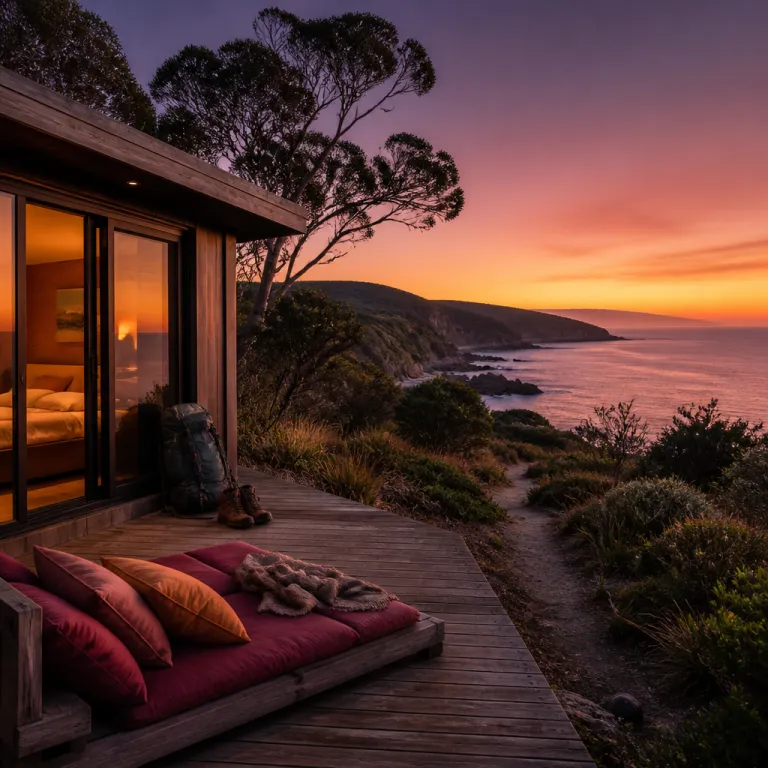
Why backpacking Tasmania, Australia pairs beautifully with luxury stays
Backpacking across Tasmania can blend rugged trails with refined stays. Many Australian travellers now book a premium mountain lodge or coastal retreat for part of their trip, then spend each day exploring nearby national parks on foot. This balance lets you enjoy a wild hike by day and a glass of Tasmanian food and wine beside a lake or bay at night.
Tasmania holds some of the most protected land in Australia. According to the Tasmanian Parks and Wildlife Service, just over 40% of the state is reserved as national parks and other reserves, while the Tasmanian Wilderness World Heritage Area covers about 20% of the island. That level of protection means your time on any trail, from the Overland Track near Cradle Mountain to coastal walks on Maria Island, feels genuinely remote yet still supported by clear signage and reliable infrastructure. For backpackers who want both solitude and comfort, this makes it easier to plan a road trip that alternates camping nights with stays in luxury lodges close to each park.
Many independent hikers now use digital maps and navigation apps to track every walk, which helps you estimate time and distance precisely before leaving your hotel. The Tasmanian Parks and Wildlife Service notes that “Summer (December–February) offers the most favorable weather.” That said, a clear winter day around Dove Lake or Lake St Clair can deliver crisp air, long views, and quiet trails, especially when you know a heated suite and hot shower are waiting back in Hobart or on the east coast.
Remote hideaways near Cradle Mountain and the Overland Track
The Cradle Mountain region is the classic base for backpacking Tasmania, Australia in alpine terrain. Many travellers start or finish the Overland Track here, then reward themselves with a night or two in a mountain lodge that offers spa facilities, refined food and wine, and private views over the surrounding national park. Staying close to Cradle Mountain shortens transfer time at each end of a multi day hike and lets you walk shorter trails like the Dove Lake Circuit or the Cradle Valley Boardwalk on recovery days.
Within Cradle Mountain–Lake St Clair National Park, the contrast between a long hike and a luxurious room is striking. You might spend the day on a steep trail towards Marion’s Lookout, watching the light shift across the lake and mountain peaks, then return to a lodge restaurant that highlights Tasmanian produce and local wine by the glass. Many properties now integrate sustainability into their design, and some are profiled as rewilding retreats in guides to Tasmania’s rewilding lodges, which is useful reading if you want your spend to support conservation.
Backpackers who prefer flexibility can base themselves for several days near Cradle Mountain and plan a mix of hiking and scenic drives. One day might focus on the classic Dove Lake walk, another on shorter forest trails near Lake St Clair, and a third on a road trip across the west coast to quieter field national reserves. Because weather in Tasmania changes quickly, having a comfortable room and drying facilities at a premium property can turn a wet day into a relaxed pause rather than a logistical problem.
East coast bays, Wineglass Bay, and elevated coastal stays
The east coast of Tasmania offers a softer side to backpacking Tasmania, Australia, with curved beaches, sheltered coves, and gentle headland walks. Freycinet National Park is the star, and many travellers combine a climb to the Wineglass Bay lookout with a stay in a luxury lodge or premium hotel overlooking the bay or nearby coastline. This approach lets you enjoy the famous view at sunrise or late in the day, when most day trip buses have already left the park.
Freycinet National Park also works well for travellers who want shorter hikes and more time to relax in comfort. You can tackle the Wineglass Bay and Hazards Beach circuit one day, then spend the next day on a slower coastal walk or guided kayaking trip, returning each evening to a room with floor to ceiling windows and a focus on Tasmanian food and wine. For those driving down from Sydney or Melbourne, some east coast properties are highlighted among regional hotels that earn the drive, which is helpful if you are planning a longer road trip across multiple states.
Beyond Freycinet, the east coast offers quieter bays and inlets that suit travellers seeking more privacy. Areas near the Bay of Fires combine white sand, orange lichen covered rocks, and clear water, with a small number of premium stays tucked behind the dunes or on low headlands. Using one of these as a base, you can spend each day exploring different sections of coastline, then return to a calm retreat that feels far removed from mainland Australia despite being only a short flight from Hobart.
Islands, bays, and heritage: Bruny Island, Maria Island, and Port Arthur
Island side trips add another layer to backpacking Tasmania, Australia, especially when you combine simple hiking with refined accommodation. Bruny Island is a favourite for Australian travellers who want a mix of coastal walks, wildlife, and serious food and wine, all within a short drive and ferry ride from Hobart. Many visitors book a premium cabin or architect designed lodge on the island, then spend each day exploring different bays, beaches, and viewpoints on foot.
Maria Island offers a different rhythm, because there are no luxury hotels on the island itself and most travellers stay in premium properties on the nearby east coast. You can base yourself in a coastal retreat, take the ferry across for a full day of hiking and wildlife watching, then return to your hotel for a long dinner and a hot bath. This pattern works well if you want the island’s national park experience by day, but still value a high level of comfort and service at night.
On the Tasman Peninsula, Port Arthur combines powerful convict heritage with dramatic coastal scenery and accessible hiking. Many travellers choose a premium stay near the peninsula so they can visit the Port Arthur Historic Site, then walk sections of the Tasman coastal trail or shorter cliff top paths without rushing. With careful planning, you can structure your trip so that each day balances history, a coastal hike, and time to relax in a quiet room overlooking a sheltered bay or rugged headland.
Hobart, west coast wilds, and planning your time
Hobart is the natural gateway for backpacking Tasmania, Australia, and it also offers some of the state’s most polished luxury hotels. Many travellers spend their first day in Hobart adjusting to the slower pace, exploring the waterfront, and sampling local food and wine before heading into the national parks. Choosing a premium stay in central Hobart or in the hills above the city gives you easy access to both urban culture and nearby trails on kunanyi / Mount Wellington.
From Hobart, you can plan a loop that takes in the east coast, the central highlands, and the west coast, using a mix of camping and hotel nights. The west coast feels particularly remote, with long stretches of road between towns and a sense of wild weather rolling in from the Southern Ocean, so many travellers appreciate having at least a few nights in a well heated lodge or hotel there. When you calculate driving time between regions, remember that Tasmanian roads are often narrow and winding, which makes distances feel longer than on mainland Australia.
Because Hobart is a compact capital, it is easy to return there between segments of a longer trip. You might complete a multi day hike in a national park, spend a restorative night or two in a luxury hotel in Hobart, then head out again towards another island or bay. For travellers comparing different properties, guides to hotel awards and rankings in Australia can help you interpret star ratings and guest reviews in a more nuanced way.
How to choose and book luxury stays that suit a backpacking itinerary
Choosing the right premium stay is central to making backpacking Tasmania, Australia feel both adventurous and restorative. Start by mapping your planned hikes, whether that means the Overland Track near Cradle Mountain, coastal walks in Freycinet National Park, or shorter day hikes around lakes and bays, then look for hotels or lodges within a short drive of each trailhead. This ensures you spend more time walking and less time in transit, especially when daylight hours are shorter.
Next, consider how many nights you want in a mountain lodge or coastal retreat versus simpler accommodation. Some travellers prefer to book luxury stays at the start and end of a trip, using them as bookends around camping or hostel nights, while others sprinkle single nights in premium properties after particularly demanding hiking days. Think about practicalities too, such as laundry facilities, gear storage, and early breakfast options, which can make a big difference when you are leaving for a trail or national park before sunrise.
Finally, pay attention to cancellation policies and seasonal demand, because Tasmania’s most sought after properties near bays, lakes, and national parks often book out months in advance. Summer is the peak period for hiking and road trips, but shoulder seasons can offer quieter trails and better value in luxury hotels, especially on the east coast and around Hobart. Whatever pattern you choose, combining carefully selected premium stays with well planned hikes lets you experience Tasmania as both a rugged island and a refined destination within Australia.
Key figures for backpacking and protected areas in Tasmania
- Just over 40% of Tasmania’s land area is protected as national parks and other reserves, according to the Tasmanian Parks and Wildlife Service, which is significantly higher than the national average for Australia.
- Approximately 20% of Tasmania is listed as World Heritage wilderness by the Tasmanian Parks and Wildlife Service, placing it among the most intensively protected island regions globally.
- Backpacking and eco tourism have grown steadily in Tasmania, with a noted rise in multi day hikes such as the Overland Track and Three Capes Track over the past decade, reflecting increased demand for immersive nature experiences.
- Summer is identified by the Tasmanian Parks and Wildlife Service as offering the most favourable weather for backpacking, which aligns with peak occupancy periods for luxury lodges near Cradle Mountain and coastal national parks.
FAQ about luxury stays and backpacking in Tasmania
What are the best hiking trails in Tasmania for backpackers who enjoy comfort?
The Overland Track, the Three Capes Track, and the Freycinet Circuit are widely regarded as the best multi day options, and each can be paired with premium accommodation before or after the hike. Many travellers stay in a mountain lodge near Cradle Mountain for the Overland Track, or choose luxury coastal hotels near Freycinet National Park and the Tasman Peninsula for the other two.
Is camping allowed in Tasmanian national parks if I also book hotels?
Camping is allowed in most national parks with appropriate permits, and many backpackers mix camping nights with hotel stays. This hybrid approach works well in Tasmania, because you can spend several days on a trail, then return to a luxury hotel in Hobart or near a bay or lake to rest and reorganise gear.
What is the best time to visit Tasmania for backpacking with luxury stays?
Summer offers the most stable weather for hiking and is the most popular time for backpacking Tasmania, Australia, especially on alpine trails near Cradle Mountain and Lake St Clair. Shoulder seasons in spring and autumn can provide quieter trails and better availability in premium hotels, though you should prepare for more variable conditions.
How far in advance should I book luxury accommodation near major trails?
For peak summer dates near Cradle Mountain, Freycinet National Park, and popular bays on the east coast, booking several months ahead is wise. Outside peak periods, you may find more flexibility, but premium properties close to national park entrances and iconic views still fill quickly on weekends and holiday periods.
Can I rely on public transport for a backpacking trip that includes luxury hotels?
Public transport in Tasmania connects major centres like Hobart and Launceston with some regional towns, but it does not always align neatly with trailheads or remote lodges. Many travellers choose to rent a car for maximum flexibility, especially if they want to combine multiple national parks, islands, and bays with stays in premium hotels across a single trip.
