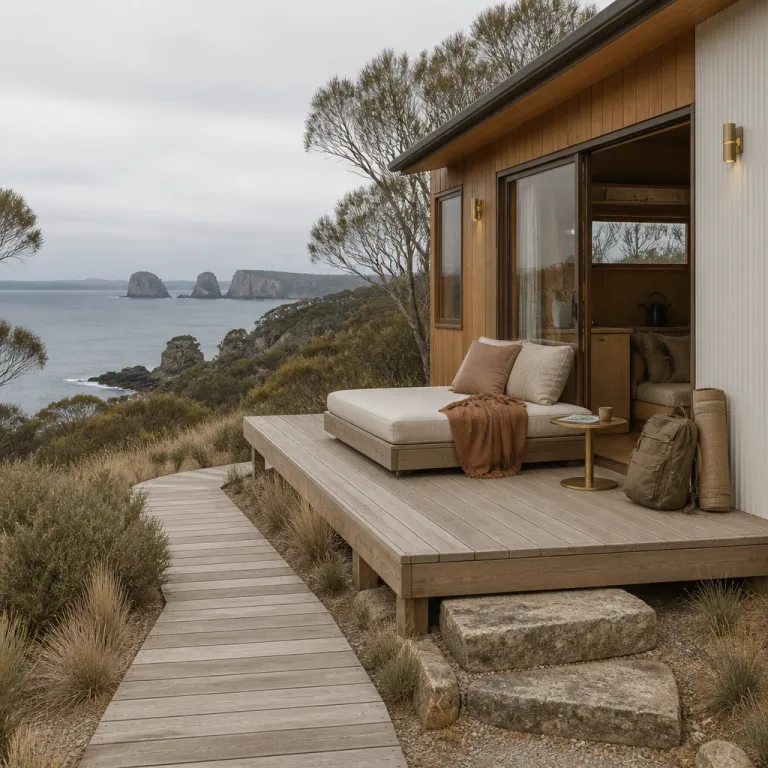
Why backpacking Tasmania, Australia pairs beautifully with luxury stays
Backpacking Tasmania, Australia can feel wild and remote, yet you can still end each day in refined comfort. This island in southern Australia has more than half its land protected as reserves or national parks, which means your trip can combine rugged trails with carefully curated hotels. When you plan your time with intention, you can move from windswept bay views to a mountain lodge suite in a single day without losing that sense of adventure.
The Tasmanian Parks and Wildlife Service notes that about 60% of the state is protected land and around 20% is World Heritage listed, so every hike or walk places you inside landscapes of genuine global significance. According to the Tasmanian Wilderness World Heritage Area Management Plan and Parks and Wildlife Service summaries, these figures reflect one of the highest proportions of conserved land in Australia. For backpackers used to basic hostels, upgrading to premium accommodation near a national park such as Cradle Mountain or Freycinet National Park transforms the rhythm of the journey. You still carry a backpack and follow a trail by day, but you return to heated stone bathrooms, deep baths, and food and wine pairings that celebrate local producers at night.
Luxury friendly backpacking in Tasmania works especially well for travellers based in Australia who know how quickly weather can change in a mountain region. After a long hike around Dove Lake or a coastal walk near Wineglass Bay, a plush bed and a hot shower are more than indulgence, they are smart risk management. As one Melbourne hiker put it after a stormy day on the trail, “I’ve never appreciated underfloor heating so much.” Check weather forecasts, pack layers for variable conditions, and book accommodations in advance, especially if you are travelling in peak summer or during school holidays.
Remote national park hideaways near iconic Tasmanian trails
Some of the most rewarding luxury stays for backpacking Tasmania, Australia sit just outside trailheads in major national parks. Around Cradle Mountain and Lake Clair in Cradle Mountain Lake Clair National Park, several mountain lodge style properties offer private cabins, spa facilities, and guided hiking, while still keeping you close to the Overland Track and shorter day walks. This balance lets you tackle a demanding trail one day, then spend hours the next afternoon in a sauna or soaking tub with a forest view.
On the east coast, Freycinet National Park places you within reach of Wineglass Bay, granite peaks, and sheltered coves, and nearby luxury hotels lean into that scenery with floor to ceiling windows. You can book a premium suite, arrange a guided hike to the Wineglass Bay lookout, then return for a degustation dinner focused on Tasmanian seafood and cool climate wine. When you compare this to ultra remote desert properties such as those described in this analysis of what justifies 2000 dollars a night in the Australian desert, Tasmanian national park lodges often feel better value because you can step straight from your door onto a marked trail.
Further south, the Tasman Peninsula offers access to Tasman National Park, dramatic sea cliffs, and the historic site of Port Arthur, and a few secluded retreats here cater to hikers who want both history and wilderness. You might spend one day walking the coastal track, then another day exploring Port Arthur before returning to a suite with a fireplace and curated Tasmanian food and wine. Over several days, this pattern turns a simple hiking trip into a layered journey through nature, culture, and comfort, with typical nightly rates for premium rooms ranging from mid to high three figures depending on season.
Designing a coastal road trip that links bays, islands, and luxury stays
For many travellers, backpacking Tasmania, Australia works best as a coastal road trip that strings together remote bays, islands, and premium hotels. Starting in Tasmania Hobart, you can drive the east coast, stopping at sheltered coves, national parks, and small fishing towns, while booking a mix of mountain lodge retreats and waterfront suites. This style of trip keeps your backpack light, because you return to the same level of comfort each night rather than carrying camping gear between sites.
From Hobart, head towards the Tasman Peninsula for Port Arthur and Tasman National Park, then continue north to the Freycinet Peninsula for Freycinet National Park and Wineglass Bay. Hobart to Port Arthur takes around 90 minutes by car, while Port Arthur to Coles Bay near Freycinet usually takes about three hours, depending on stops. Beyond that, the Bay of Fires region on the north east coast offers white sand, orange lichen covered rocks, and a handful of intimate luxury properties that feel like private hideaways. If you enjoy long drives, you can loop across the island towards the west coast, where wilder weather and fewer towns make advance bookings essential, especially when you want premium rooms with ocean or river views.
Some Australian travellers like to pair this Tasmanian circuit with mainland journeys, taking inspiration from regional properties that, as highlighted in this guide to regional properties worth the detour from Sydney, genuinely earn the drive. In Tasmania, similar logic applies, because a two hour detour can place you beside a quiet bay or lake with only a handful of suites and direct access to a coastal trail. Plan your time on the road carefully, allowing space for spontaneous walks, photo stops, and slow lunches built around local seafood and cool climate wine, and expect popular coastal retreats to book out several weeks ahead in peak periods.
Mountain lodges and lakeside retreats for hikers
Backpacking Tasmania, Australia is often defined by its mountain landscapes, and the region around Cradle Mountain remains the most famous. Here, a cluster of mountain lodge properties sits close to the entrance of Cradle Mountain Lake Clair National Park, giving hikers quick access to the Dove Lake circuit, the summit trail, and shorter walks through mossy rainforest. You can spend one day tackling a demanding hike, then the next day enjoying a gentler walk and a long afternoon in a spa or lounge with a fireplace.
Lake Clair, sometimes written as Lake St Clair, marks the southern end of the Overland Track and offers a different mood, with deep waters, forested slopes, and a sense of stillness that suits slower travel. Premium lodges near the lake often provide transfers to trailheads, gear drying rooms, and hearty breakfasts tailored to hikers who need energy for long days on the trail. These details matter when you are planning a multi day trip, because they reduce logistical stress and let you focus on the experience of hiking rather than on constant packing and unpacking.
Elsewhere in Tasmania, smaller lakeside retreats near field national reserves and less known national parks give you access to quieter trails and birdlife. A traveller based in Australia who has already visited the big icons such as Cradle Mountain might appreciate these lesser known areas for their solitude and softer views. Whether you choose one lake retreat or several lakes over a longer itinerary, the combination of clear water, mountain silhouettes, and refined hospitality creates a powerful contrast with the simplicity of your backpack.
Islands, bays, and coastal walks with a luxury edge
Coastal segments of backpacking Tasmania, Australia bring a different rhythm, especially when you weave in island stays and sheltered bays. Bruny Island, south of Hobart, combines windswept beaches, forested hills, and a growing reputation for food and wine, with a handful of premium lodges and villas that suit travellers seeking privacy. You can spend a day hiking coastal tracks, watching seabirds, and tasting local cheese, then return to a glass walled suite that frames the changing light over the bay.
Maria Island, off the east coast, is a national park with no private cars, heritage buildings, and abundant wildlife, and while accommodation here is simpler, you can pair a night or two on the island with a more luxurious stay back on the mainland. Many Australian travellers choose to walk the island’s coastal trails by day, then drive to a nearby east coast retreat that offers fine dining and deep baths. This pattern keeps the spirit of backpacking alive while still giving you the restorative benefits of premium hospitality.
Further north, the Bay of Fires region stretches along the east coast with its famous orange lichen covered rocks and clear water, and a few carefully designed lodges here specialise in guided walks and sea focused experiences. You might join a guided hike along the shore one day, then take a slower walk the next day, pausing for swims and picnics on quiet beaches. Over several days, these bays and islands form a chain of experiences that feel both elemental and refined, especially when you choose properties that respect the landscape rather than dominate it.
Seasonality, timing, and eco conscious choices for Tasmanian luxury backpackers
Timing shapes every aspect of backpacking Tasmania, Australia, from trail conditions to hotel availability and pricing. Summer brings longer daylight hours and milder temperatures, which suit multi day hikes such as the Overland Track, but it also means higher demand for premium rooms near national parks. Autumn and spring can offer clearer views and fewer crowds, while winter rewards those who enjoy snow dusted mountains and cosy evenings by a fire in a mountain lodge.
The Tasmanian Parks and Wildlife Service and local operators encourage eco friendly travel practices, and luxury properties increasingly align with these values through renewable energy, low impact design, and local sourcing of food and wine. When you book, look for lodges that support conservation projects in nearby national parks or that partner with Aboriginal guides to share cultural perspectives on the land. Eco tourism and digital detox retreats are growing trends here, and many high end properties now emphasise limited connectivity, slow itineraries, and guided walks that deepen your understanding of the environment.
For Australian travellers, one practical strategy is to combine a few nights of full luxury with simpler stays, using premium hotels as anchors at key points in the trip. You might start with a refined stay in Hobart, head out on a road trip that includes both national park lodges and island cabins, then finish with a special occasion property timed to coincide with events such as truffle harvests, as outlined in this guide to truffle season hotels in Western Australia and Tasmania. Is Tasmania safe for solo backpackers? Yes, with standard precautions and by following Tasmanian Parks and Wildlife Service advice on track conditions and weather alerts.
Key statistics for luxury oriented backpacking in Tasmania
- Approximately 60% of Tasmania’s land area is protected as reserves or national parks, according to the Tasmanian Parks and Wildlife Service, which means backpackers are rarely far from conserved landscapes.
- Roughly 20% of the state is listed as World Heritage area, placing Tasmania among regions with some of the highest proportions of globally recognised wilderness on the planet.
- Backpacking seasons vary, but local tourism data consistently shows peak visitor numbers in the summer months, when longer daylight hours support extended hiking and driving itineraries.
- Flagship trails such as the Overland Track and the Three Capes Track operate on booking systems with capped daily numbers, which helps protect the environment while also increasing the importance of advance accommodation planning, especially in nearby luxury lodges.
- Eco tourism and culinary tourism are identified growth segments in Tasmania, and many new or refurbished luxury properties now integrate guided hiking with local food and wine experiences to meet this demand.
FAQ about luxury and premium stays while backpacking Tasmania, Australia
What are the top hiking trails in Tasmania for luxury focused backpackers ?
The most sought after trails include the Overland Track in Cradle Mountain Lake Clair National Park, the Three Capes Track on the Tasman Peninsula, and the Freycinet Circuit near Wineglass Bay. Each of these areas has premium lodges or hotels within driving distance, allowing you to combine serious hiking with high comfort. Many travellers base themselves in a mountain lodge or coastal retreat and use transfers to reach trailheads.
Is Tasmania safe for solo backpackers who prefer premium accommodation ?
Tasmania is generally considered safe for solo backpackers, provided you follow standard precautions such as informing someone of your route and checking weather forecasts. Choosing established luxury or premium properties adds another layer of security, because staff can provide local advice and track your return from day hikes. Many solo travellers from mainland Australia appreciate the combination of wilderness and professional hospitality.
What is the best time to combine backpacking and luxury stays in Tasmania ?
Summer offers the most stable weather for multi day hikes and road trips, which makes it the preferred season for many visitors. Shoulder seasons in autumn and spring can be excellent for those who value quieter trails and lower accommodation rates, especially near national parks. Winter suits travellers who enjoy snow on the mountains and cosy evenings in lodges, though some higher trails may be more challenging.
How far in advance should I book luxury accommodation near national parks ?
For peak summer dates near Cradle Mountain, Freycinet National Park, and the Tasman Peninsula, booking several months ahead is wise, especially for mountain lodge suites and waterfront villas. Outside peak periods, you may find more flexibility, but weekends and public holidays still fill quickly. Always align your accommodation bookings with any required trail permits or transport reservations.
Can I rely on public transport while staying in remote luxury properties ?
Public transport in Tasmania connects major towns such as Hobart and Launceston, but services to remote national parks and islands are limited. For a flexible itinerary that links multiple bays, lakes, and lodges, hiring a car is usually the most practical option. Some high end properties offer private transfers or shuttle services to key trailheads, which can reduce the need to drive every day.
