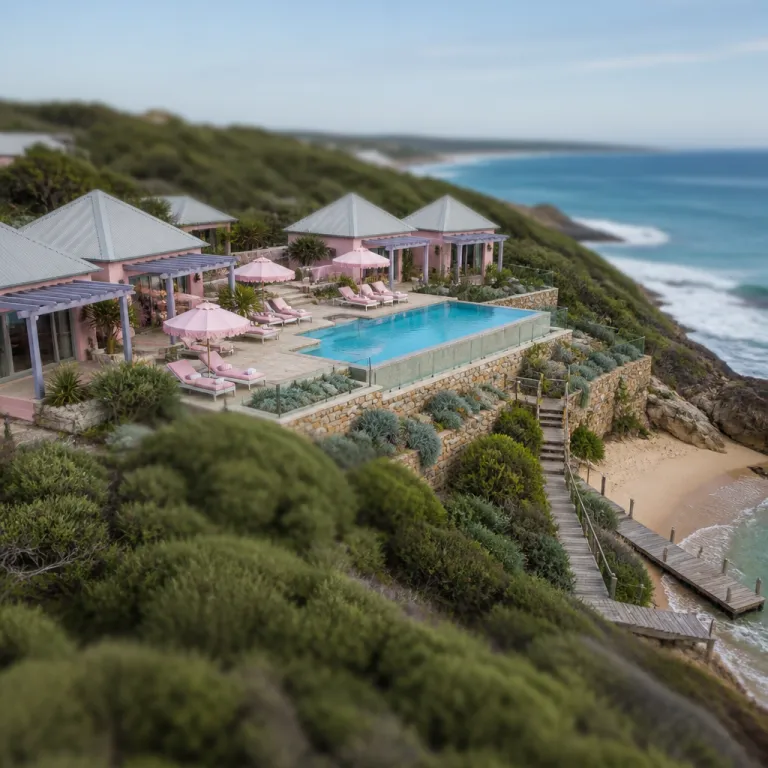
V4 pipeline for choosing the right coastal luxury escape
In this context, a V4 pipeline simply means a four-stage decision framework for planning coastal luxury escapes: vision, venue, value, and verification. Before you browse a single luxury or premium hotel booking website in Australia, get clear on your vision for the trip. Decide whether you want a quiet cove, a lively esplanade, or something in between. This simple first step in your personal planning framework helps you filter locations, room types, and on site experiences with far more confidence.
Next in your four-step process comes aligning destination, season, and style of stay. On the east coast, places like Noosa, Byron Bay, and Port Douglas offer refined beachfront resorts, while Western Australia’s Margaret River and Broome pair ocean views with acclaimed food and wine. When you treat your V4 method as a sequence of decisions rather than a single search, you avoid scrolling endlessly through options that never really fit.
Location on the coastline is the third pillar of a thoughtful V4 approach. Some travelers want absolute beachfront with direct sand access, others prefer an elevated headland with sweeping views and more privacy. By mapping your decision framework around walking distance to the beach, proximity to dining, and access to coastal walks, you turn a vague wish list into a precise brief that premium properties can actually meet.
V4 pipeline for matching coastal hotels to your travel style
Once you know where you want to be, your four-stage framework should focus on how you like to spend your days. If sunrise swims, long coastal walks, and spa time matter more than nightlife, look for luxury hotels that highlight wellness programs, ocean facing pools, and quiet lounges. A refined V4 checklist here means reading beyond star ratings and scanning for details like lap pool length, spa menus, and guided nature activities.
For travelers bringing a dog to the coast, your selection process must include pet friendly filters and clear house rules. Many premium stays now welcome pets, especially along the New South Wales and Queensland coasts, but policies vary widely on size limits, cleaning fees, and access to shared spaces. A dedicated search for elegant pet friendly accommodation in Coffs Harbour, such as a boutique beachfront lodge with fenced courtyards and dog wash stations, shows how a carefully curated listing can save you from last minute surprises at check in.
Couples planning a special occasion should tune their decision pathway toward privacy and atmosphere rather than sheer room size. Look for adults only wings, ocean view suites with deep soaking baths, and restaurants that offer chef’s tasting menus or sommelier pairings. One recent guest review of a Palm Cove resort simply read, “We barely left the property for three days; the pool bar, spa, and sunset views gave us everything we needed.” When your V4 planning lens prioritises these experiential details, you end up with a coastal escape that feels tailored rather than generic.
V4 pipeline for comparing coastal destinations across Australia
A smart four-step strategy does more than compare hotels, it compares coastlines. The Gold Coast, Sunshine Coast, and Whitsundays each deliver very different versions of luxury, from high rise glamour to island seclusion. By structuring your V4 decision tree around what each region does best, you avoid choosing a destination that clashes with your expectations.
On the tropical north Queensland coast, Palm Cove has become a benchmark for relaxed sophistication by the sea. Many Australian travelers now use an elegant couples retreat in Palm Cove as their reference point when assessing other coastal stays. Building this kind of benchmark into your V4 comparison process helps you judge whether a property’s photos, room sizes, and amenities genuinely match the standard you have in mind.
Further south, New South Wales offers a chain of refined coastal towns from Kingscliff to Mollymook. Here, a well designed V4 framework weighs drive time from your home city against the promise of quieter beaches and strong regional dining. When you compare destinations through the same four-stage lens, you see clearly whether a shorter flight or a longer scenic drive will give you the coastal escape you actually want.
V4 pipeline for evaluating luxury hotel booking websites
Not all luxury and premium hotel booking websites in Australia are created equal, so your V4 checklist should assess the platform as carefully as the property. Start by checking whether the site clearly labels room categories, bed configurations, and exact square metre sizes. A reliable four-step review also looks for transparent taxes and fees, so the price you see on the search page matches what you pay at checkout.
Trust signals matter when you are planning a high value coastal escape. Look for booking websites that show verified guest reviews, high resolution photography, and detailed descriptions of beach access, parking, and on site dining. When your V4 evaluation includes these checks, you reduce the risk of arriving at a “seaview” room that actually faces a car park or a distant glimpse of water.
Payment security and flexibility are the final filters in a robust V4 approach. Choose platforms that offer secure payment gateways, clear cancellation policies, and options like pay later or free date changes where possible. By embedding these criteria into your four-stage framework, you protect both your budget and your peace of mind while planning a coastal escape.
V4 pipeline for timing and pricing your coastal escape
Seasonality can make or break a coastal stay, so your V4 planning process must factor in timing. School holidays, long weekends, and major events can push nightly rates significantly higher in popular beach towns. When you map these peaks into your four-step strategy, you can often shift your dates slightly and secure a more spacious room or a higher category suite for a similar budget.
On many luxury and premium hotel booking websites in Australia, flexible date tools show rate variations across a month. Use these calendars as part of your V4 pricing lens to spot midweek dips or shoulder season sweet spots, especially in destinations like Noosa, Byron Bay, and the Mornington Peninsula. This approach turns your decision framework into a pricing strategy, not just a search habit.
For wine coast regions that meet the sea, timing becomes even more nuanced. In South Australia’s McLaren Vale, for example, winter stays can mean quieter cellar doors and generous hospitality. Planning through a considered V4 itinerary and using resources such as this guide to McLaren Vale without the crowds helps you pair coastal drives with vineyard overnights in a way that feels unhurried and indulgent.
V4 pipeline for on the ground coastal experiences
Your V4 framework should not end when you click “book”, it should extend to how you will experience the coast once you arrive. Start by checking whether your chosen hotel offers direct beach access, complimentary equipment like kayaks or paddleboards, and curated local experiences. When these elements are part of your four-stage plan, you move beyond a nice room toward a genuinely memorable stay.
Transport and movement along the coastline also deserve a place in your decision pathway. Some premium coastal properties sit within walking distance of cafes, galleries, and coastal trails, while others are more secluded and rely on transfers or car hire. By planning this through your V4 lens, you avoid spending half your holiday in taxis or searching for parking near busy beaches.
Dining is the final layer that completes a thoughtful V4 approach for coastal escapes. Look for hotels that champion local seafood, regional produce, and thoughtful wine lists, especially in areas known for their food culture. When your four-step framework gives as much weight to what you will taste as to where you will sleep, your Australian coastal escape feels complete and deeply satisfying.
Key statistics on luxury coastal hotel stays in Australia
- Tourism Research Australia reports that coastal and marine tourism accounts for around 40 percent of all overnight holiday trips in the country, underscoring how central beach destinations are to domestic travel planning (Tourism Research Australia, National Visitor Survey 2023, Table 4: Purpose of Visit by Region).
- According to STR accommodation data, luxury hotel occupancy in major Australian coastal regions such as the Gold Coast and Sunshine Coast regularly exceeds 70 percent during peak summer months, compared with national averages closer to 60 percent (STR, Australia Hotel Review, 2022–2023, Coastal Markets Summary).
- Data from the Australian Competition and Consumer Commission indicates that transparent pricing and clear cancellation policies are among the top factors influencing consumer trust in online travel booking platforms (ACCC, Digital Platforms Services Inquiry, Interim Report 2022, Section 6.3).
- Tourism Australia surveys show that access to nature, including beaches and coastal walks, ranks as a primary motivator for more than half of domestic leisure travelers choosing a destination (Tourism Australia, Consumer Demand Project, 2021, Domestic Market Insights).
- Research by state tourism bodies highlights that travelers who stay in premium coastal accommodation typically spend significantly more on food, wine, and local experiences than those in standard properties, supporting local economies along the shoreline (for example, Destination NSW, Regional Visitor Economy Estimates 2022, Visitor Expenditure by Accommodation Type).
FAQ about luxury and premium coastal hotel bookings in Australia
How far in advance should I book a luxury coastal hotel in Australia ?
For peak summer periods and school holidays, aim to book premium coastal hotels at least three to six months ahead. Outside these windows, one to two months is often enough, though smaller destinations with limited inventory can still fill quickly. Early booking also gives you better choice of room categories and views.
Which Australian coastal regions are best for a quiet luxury escape ?
For a quieter atmosphere, look to areas such as Palm Cove, the Sapphire Coast in New South Wales, parts of the Mornington Peninsula, and smaller towns near Margaret River. These regions balance high quality accommodation with less crowded beaches and relaxed dining. They suit travelers who value calm over nightlife.
Are luxury coastal hotels in Australia suitable for families ?
Many luxury coastal properties in Australia cater very well to families, offering multi bedroom suites, kids clubs, and shallow pools. When booking, check for family specific amenities such as babysitting, children’s menus, and interconnecting rooms. Reading recent guest reviews helps confirm how family friendly the atmosphere feels in practice.
What should I look for in a luxury hotel booking website before reserving ?
Prioritise websites that show clear room descriptions, accurate photos, transparent pricing, and verified guest reviews. Secure payment options and straightforward cancellation policies are essential for higher value coastal stays. It also helps if the platform offers filters for beachfront locations, spa facilities, and pet friendly options.
Is it better to book directly with the hotel or through a booking website ?
Booking directly with the hotel can sometimes unlock added benefits such as late checkout or dining credits, especially at the luxury level. However, reputable booking websites may offer useful comparison tools, loyalty points, or flexible cancellation across multiple properties. Compare both options within your own four-step framework and choose the one that balances value, flexibility, and trust for your specific trip.
